

Wedoany.com Report-Oct. 9, Bangladesh has approved the purchase of approximately 220,000 metric tons of U.S. wheat under a government-to-government agreement, part of efforts to ease trade relations with Washington following previous import tariffs imposed by the U.S. administration. The Cabinet Committee on Government Purchase cleared the deal on Tuesday, marking a continuation of the South Asian country’s strategy to diversify its wheat sources and improve domestic grain quality.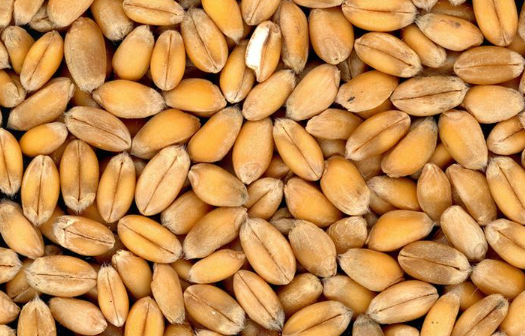
The wheat, priced at $308 per ton, will be supplied through Agrocorp International, a Singapore-based trading firm authorized by U.S. Wheat Associates. This shipment is part of Bangladesh’s broader initiative to strengthen trade ties with the United States while ensuring a steady supply of high-grade wheat for the country’s milling and food industries.
This approval follows a memorandum of understanding signed in July, under which Bangladesh plans to import 700,000 metric tons of wheat annually from the United States over the next five years. The MOU is designed to establish a reliable long-term supply and support the country’s efforts to diversify grain sources beyond traditional suppliers.
Currently, Bangladesh relies heavily on lower-cost wheat from the Black Sea region to meet domestic demand. Smaller volumes of wheat from the U.S. and Canada are imported primarily for blending purposes, enhancing flour quality and meeting higher-grade baking standards. By including U.S. wheat in its supply chain, the country aims to balance cost efficiency with quality, supporting the domestic food processing sector.
Bangladesh’s annual wheat consumption is substantial, with demand driven by both staple food production and industrial use in bakeries and food processing. Ensuring a mix of lower-cost and higher-quality wheat helps stabilize domestic prices and maintain the consistency required for large-scale milling operations.
The U.S. wheat deal also reflects broader geopolitical and economic considerations. Strengthening ties with U.S. grain suppliers provides Bangladesh with alternative sources amid potential supply disruptions and price volatility in global markets. At the same time, it complements existing relationships with Black Sea exporters, allowing for a diversified import strategy.
Officials highlight that incorporating U.S. wheat will improve flour quality and offer flexibility in blending operations, ensuring that the country can meet both consumer expectations and industrial standards. The shipment is expected to arrive in the coming months, providing timely support to Bangladesh’s wheat supply ahead of peak demand periods.
By combining strategic sourcing from multiple regions, Bangladesh aims to secure its food supply chain, stabilize domestic prices, and support ongoing economic growth in its food processing sector. The government and private milling companies will monitor shipments closely to ensure timely distribution and quality control.












 京公网安备 11010802046720号