

Wedoany.com Report-Nov. 10, JA Solar, a prominent manufacturer of photovoltaic solutions, has entered into a module supply contract with Larsen & Toubro (L&T), the engineering, procurement, and construction contractor for the Samarkand 1 and 2 Solar PV Power Plants in Uzbekistan. The agreement stipulates that JA Solar will provide all photovoltaic modules for these large-scale installations, solidifying its position as a vital contributor to renewable energy initiatives in Central Asia.
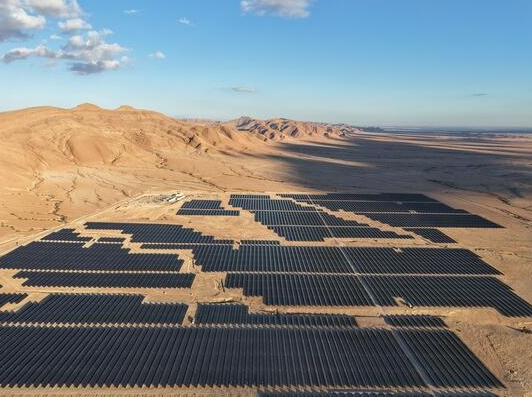
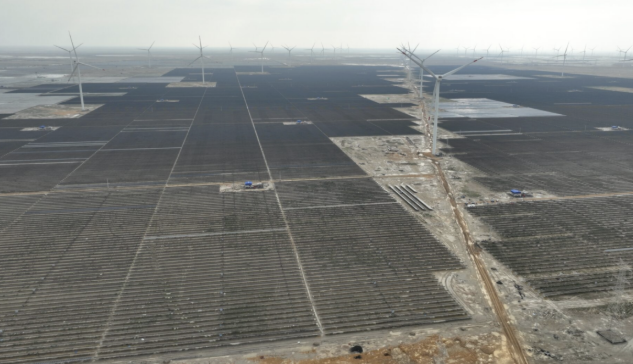
Situated near the city of Samarkand in central Uzbekistan, the Samarkand 1 and 2 projects, led by developer ACWA Power, boast a total capacity of 1.2 gigawatts. Upon completion, they are projected to produce sufficient electricity to serve hundreds of thousands of households and avoid more than one million tons of carbon dioxide emissions each year. These developments align with Uzbekistan's objective to derive 25 percent of its power from renewable sources by 2030.
The partnership involving ACWA Power, L&T, and JA Solar highlights a collective dedication to constructing dependable, efficient solar facilities in developing regions. Beyond generating clean power, the initiatives are anticipated to foster job opportunities, infrastructure enhancements, and improved grid reliability locally.
Mr. Aiqing Yang, Executive President of JA Solar, commented: “We are honored to support these strategic projects alongside world-class partners. Our high-efficiency, high-reliability modules are engineered to maximize energy yield in diverse environments. This agreement underscores the confidence our partners place in JA Solar's technology and execution capabilities.”
JA Solar remains focused on partnering with global developers and contractors to supply robust photovoltaic systems that adhere to benchmarks for output, longevity, and timely delivery in expansive projects. The firm is dedicated to promoting eco-friendly expansion in Central Asia and similar promising areas.
ACWA Power, based in Saudi Arabia, specializes in the planning, funding, and management of electricity and water facilities worldwide. It advances utility-scale renewable projects in various nations, aiding economic progress and community benefits.
Larsen & Toubro, an Indian multinational, specializes in engineering, procurement, and construction services, advanced manufacturing, and related offerings, with activities in more than 50 countries. Drawing on eight decades of operations, the company is noted for its engineering standards, focus on quality, and emphasis on sustainable practices in infrastructure and energy fields.
Established in 2005, JA Solar leads in photovoltaic generation technologies, maintaining an integrated operation from silicon wafers and cells to modules and storage systems. Operating 16 international branches, it caters to clients in 180 countries. By the third quarter of 2025, its total shipments of cells and modules approached 317 gigawatts, backed by over 2,000 patents and an extensive worldwide presence.
This collaboration exemplifies integrated supply chain coordination for solar deployment. JA Solar's modules, featuring advanced cell architectures, ensure optimal performance under varying climatic conditions prevalent in Uzbekistan's arid landscapes. L&T's construction expertise facilitates efficient site preparation and installation, while ACWA Power's development model secures long-term operational viability.
The projects incorporate bifacial panel designs to capture reflected sunlight, boosting overall efficiency. Grid interconnections will enable stable power injection, supporting national electrification efforts.
Local content requirements are met through training programs for Uzbek workers, enhancing skills in solar maintenance and operations. This approach not only accelerates commissioning but also builds enduring technical capacity.
As Uzbekistan advances its renewable portfolio, such ventures provide scalable templates for neighboring countries. JA Solar's involvement extends its footprint in utility projects, where reliability directly impacts energy security and cost savings.
In the context of global transitions, these 1.2 gigawatts represent a meaningful increment toward diversified power sources. The emphasis on emission reductions aligns with international sustainability frameworks, benefiting regional air quality and resource conservation.
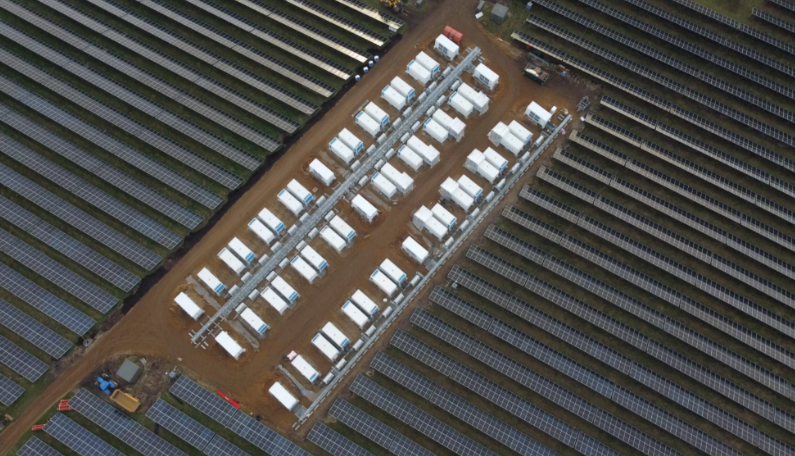
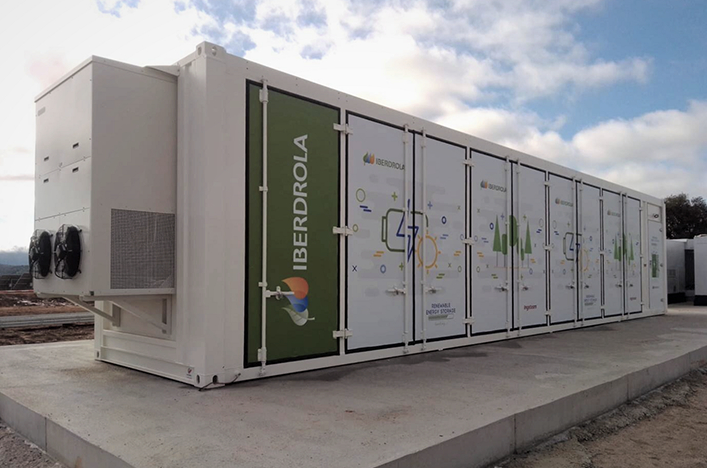
Future phases may include energy storage integrations to manage intermittency, further elevating system resilience. Overall, the agreement positions the involved parties as enablers of accessible, high-yield solar infrastructure.








 京公网安备 11010802046720号