

Wedoany.com Report-Nov. 28, SK Biopharmaceuticals has expanded its oncology pipeline by in-licensing WT-7695, a preclinical carbonic anhydrase IX (CA9)-targeting small-molecule radiopharmaceutical, from the Wisconsin Alumni Research Foundation (WARF).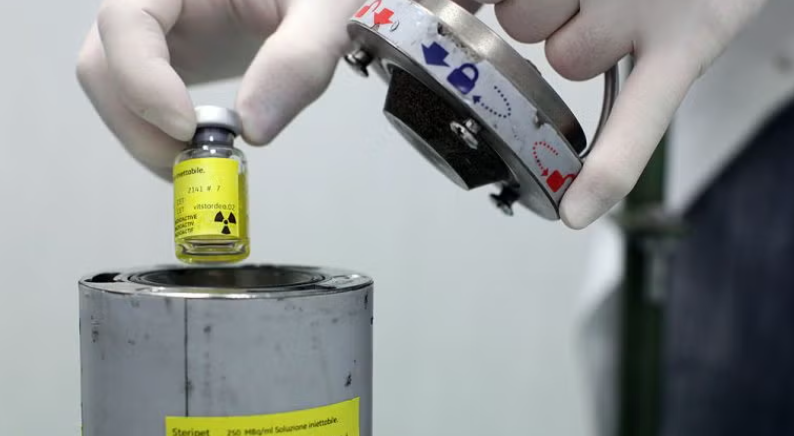
SK Biopharmaceuticals has licensed the global development, manufacturing and commercialisation rights to preclinical radiopharmaceutical asset, WT-7695, from a US-based academic institution.
The exclusive global license, covering development, manufacturing, and commercialisation rights, originated from research conducted at the University of Wisconsin-Madison. Financial terms were not disclosed.
WT-7695 selectively binds CA9, a transmembrane protein strongly expressed in clear cell renal cell carcinoma (ccRCC) and multiple solid tumours including pancreatic and colorectal cancers, while showing minimal presence in healthy tissue. Preclinical data indicate strong tumour uptake and therapeutic potential, positioning the candidate as a possible best-in-class radiopharmaceutical for CA9-positive cancers.
SK Biopharmaceuticals plans to advance WT-7695 into global clinical trials, with studies to be conducted primarily in the United States.
This marks the company's second radiopharmaceutical acquisition in 2024, following the July in-licensing of neurotensin receptor 1 (NTSR1)-targeting SKL35501 from Full-Life Technologies. Both assets complement an early-stage p300 degrader in SK's growing oncology portfolio, diversifying beyond its established central nervous system focus.
Interest in CA9 as an oncology target is also rising across the Asia-Pacific region. Australian company Telix Pharmaceuticals is preparing a first-in-human study for its CA9-targeted radionuclide drug conjugate TLX-252, scheduled to begin in 2026. Japanese biotech PeptiDream submitted an investigational new drug application to the US FDA on 25 November for its CA9-binding radiopharmaceutical [225Ac]PD-32766, targeting Phase I trials planned in ccRCC. Additionally, Xuzhou Medical University is evaluating a CA9-directed CAR-T therapy in an ongoing Phase I study for advanced renal cell carcinoma.
The series of licensing and development activities reflects increasing recognition of CA9's potential in precision oncology, particularly for difficult-to-treat solid tumours.











 京公网安备 11010802046720号