
Wedoany.com Report-Dec.2, The United States and the United Kingdom revealed an agreement on Monday to maintain zero tariffs on UK pharmaceutical products and medical technology exports. In exchange, the UK will increase the net price paid for new US medicines by 25 percent and adjust its drug valuation process.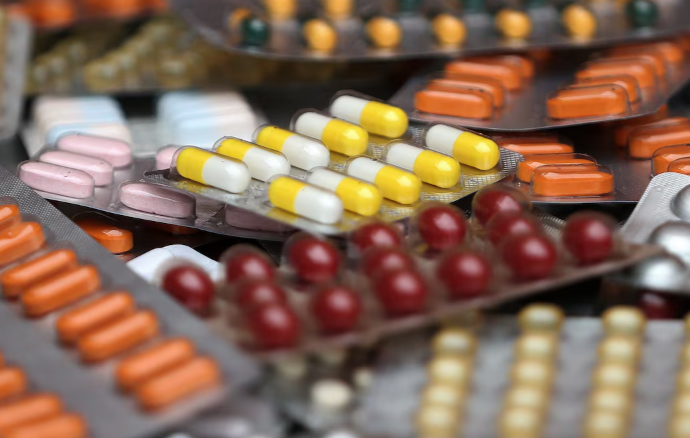
Illustration photo shows various medicine pills in their original packaging in Brussels, Belgium August 9, 2019.
Under the terms, UK-manufactured medicines, active ingredients, and medical devices will receive exemptions from Section 232 tariffs and any forthcoming Section 301 measures. The arrangement aims to promote investment and development in the pharmaceutical sector across both nations.
United States Trade Representative Jamieson Greer noted in a statement: "The United States and the United Kingdom announce this negotiated outcome pricing for innovative pharmaceuticals, which will help drive investment and innovation in both countries."
A key element involves modifications to the assessment methodology employed by the National Institute for Health and Care Excellence (NICE), the agency responsible for evaluating drug cost-effectiveness for the National Health Service (NHS). Specifically, NICE's quality-adjusted life year threshold will increase from 30,000 pounds (approximately $39,789) per year to 35,000 pounds.
The UK government indicated that this update allows the system to align with current commercial and economic conditions faced by pharmaceutical companies. The enhanced criteria will extend to all newly introduced medicines, irrespective of origin, without impacting the pricing of established therapies.
NICE has previously declined reimbursement for certain high-cost treatments, such as Eli Lilly's Alzheimer's medication and AstraZeneca's Enhertu for breast cancer. The revised approach is projected to facilitate approval of three to five additional drugs annually, beyond the typical 70 assessments, potentially benefiting patients with cancer and rare diseases.
The Association of the British Pharmaceutical Industry (ABPI) expressed support, stating the accord will enhance access to innovative treatments for UK patients and encourage further investment from manufacturers.
Shares of UK firms GSK and AstraZeneca showed minimal movement following the announcement. The UK constitutes a modest portion of the global pharmaceutical market, accounting for about 2 percent of AstraZeneca's overall revenue.
GSK highlighted the potential benefits, noting: "these good foundations, offer a real opportunity to secure the UK as an attractive global-leading environment for life sciences that rewards long-term innovation."
The deal also addresses the voluntary pricing scheme, under which companies return a share of NHS sales to the health service. The United States Trade Representative's office confirmed the rebate rate will decline to 15 percent in 2026.
Bristol Myers Squibb Chief Executive Chris Boerner commented via a UK government release: "This agreement is a sign of progress and one that creates an environment conducive to our continued presence in the UK." He added that the commitments on innovative medicines position BMS to allocate over $500 million in investments across the next five years.
The British Chambers of Commerce praised the outcome, observing that pharmaceuticals represent one-fifth of UK exports to the US by value, providing a competitive edge few other nations possess.
This resolution follows a May commitment for preferential pharmaceutical treatment and resolves a primary outstanding matter after initial tariff exemptions in other areas. It forms part of broader efforts to formalise trade frameworks ahead of potential legal reviews on tariff authorities.
Legal expert Ryan Majerus from King & Spalding remarked: "The more they can lock in countries in deals, the better for them. The more definitive these deals are, the harder it is for countries to come and say, 'We don't like our deal. We want it ripped up and you don't have the authority to impose these tariffs'."





 京公网安备 11010802046720号