

Wedoany.com Report-Dec.2, Regeneron Pharmaceuticals has entered a collaboration and licence agreement with Tessera Therapeutics to co-develop and co-commercialise TSRA-196, an investigational in vivo gene writing therapy for alpha-1 antitrypsin deficiency (AATD), a rare genetic disorder affecting lung and liver function.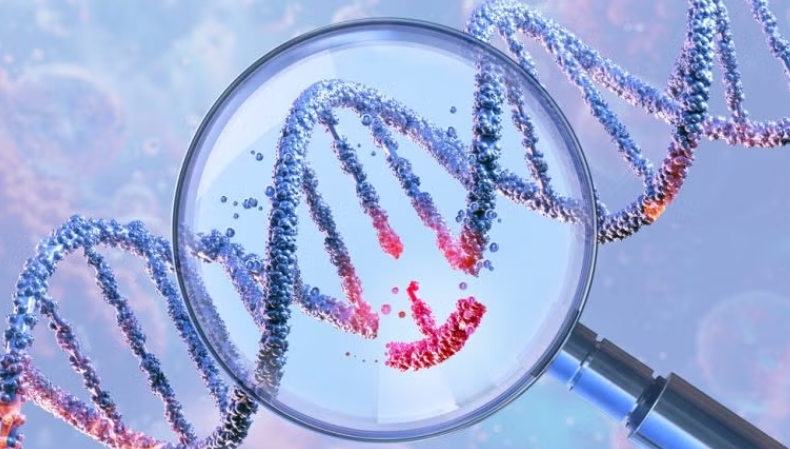
Regeneron and Tessera have partnered to develop and commercialise TSRA-196, an in vivo gene therapy that could potentially cure AATD.
Under the terms announced on Monday, Regeneron will provide $150 million in combined upfront cash and equity investment for equal global development and commercialisation rights. Tessera is eligible for an additional $125 million in potential milestone payments, bringing the total possible value to $275 million. Both companies will share future development costs and any commercial profits on a 50:50 basis.
Preclinical studies of TSRA-196 have demonstrated durable editing at the SERPINA1 gene locus – the site responsible for producing functional alpha-1 antitrypsin protein – in mice and non-human primates following a single dose. Tessera is advancing the candidate toward clinical testing and plans to submit investigational new drug (IND) and clinical trial applications to the U.S. Food and Drug Administration by the end of 2025.
Tessera will lead the initial first-in-human study. Upon demonstration of clinical potential, Regeneron will assume responsibility for subsequent global development and commercialisation activities.
AATD results from defective SERPINA1 genes that prevent adequate production of the protective alpha-1 antitrypsin protein, leading to progressive respiratory and liver damage. Currently available augmentation therapies can supplement protein levels but do not correct the underlying genetic defect. If successful, TSRA-196 could represent the first disease-modifying treatment for the condition.
The partnership combines Tessera’s gene writing platform with Regeneron’s expertise in genetic medicines and rare disease development. The collaboration positions TSRA-196 alongside other emerging approaches in the AATD pipeline, including candidates from Beam Therapeutics and CRISPR Therapeutics.
Market analysis from GlobalData estimates the AATD treatment market across major regions was valued at $1.2 billion in 2023 and is projected to reach $3.48 billion by 2031, reflecting growing recognition of the unmet medical need in this patient population.







 京公网安备 11010802046720号