

Wedoany.com Report-Dec.3, The US Food and Drug Administration (FDA) released draft guidance on 2 December 2025 that encourages pharmaceutical companies to reduce or eliminate non-human primate toxicology studies during preclinical development of monoclonal antibodies (mAbs).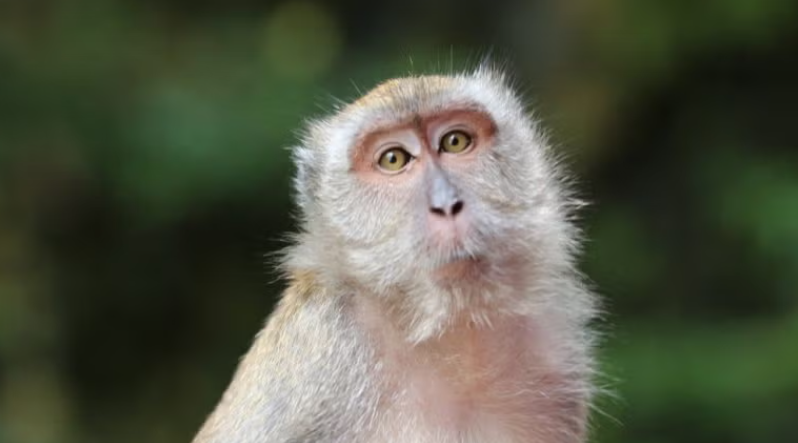
The US Food and Drug Administration (FDA) has debuted a framework that is designed to help companies move away from the use of non-human primate preclinical toxicology testing.
The new framework promotes human-relevant testing models such as organoids, organ-on-a-chip systems, 3D bioprinted tissues, computational toxicology, and real-world data evidence. These approaches aim to streamline non-clinical safety evaluation while maintaining high standards for drug approval.
FDA Commissioner Marty Makary explained that the guidance will accelerate development timelines and reduce costs. "Lowering research and development costs" could eventually contribute to more affordable medicines for patients, he added. The agency estimates that routine primate toxicology studies currently cost up to $50,000 per animal.
Traditionally, FDA regulations have required safety testing in two species—one rodent and one non-rodent mammal—with macaques being the most frequently used non-rodent due to physiological similarities with humans. The updated recommendations offer a pathway for sponsors to justify waiving primate studies when robust alternative data are available.
Contract research organisation Charles River welcomed the development. A company spokesperson stated: "This is an area where a wealth of data exists, and the FDA has now provided regulatory guidance to allow the industry to further embrace the 3Rs: replacement, reduction and refinement."
The FDA's initiative builds on its ongoing efforts to modernise preclinical requirements. Recent policy updates have already encouraged the use of new approach methodologies (NAMs) for certain monoclonal antibodies, signalling a broader shift toward human-based predictive tools.
Similar progress is occurring internationally. The European Commission continues to implement Directive 2010/63/EU, which emphasises protection of animals used for scientific purposes and promotion of alternative methods. In the United Kingdom, the Medicines and Healthcare products Regulatory Agency (MHRA) has allocated £60 million to advance non-animal technologies, including 3D bioprinted tissues and organ-on-a-chip platforms.
Charles River's Corporate Vice-President and Chief Scientific Officer for Safety Assessment, Steve Bulera, noted that while NAMs are gaining acceptance, full transition will be gradual. Industry experts agree that accumulating scientific evidence and regulatory experience will support increasing reliance on these innovative models over time.
The FDA is accepting public comments on the draft guidance until early 2026. Once finalised, the recommendations are expected to provide clearer criteria for sponsors seeking to replace or reduce primate studies, helping bring new therapies to patients more efficiently while advancing animal welfare objectives across pharmaceutical development.











 京公网安备 11010802046720号