

Wedoany.com Report-Dec.5, Thailand's rice prices reached a multi-month high this week due to supply concerns caused by flooding in southern regions. The benchmark 5% broken rice was quoted at US$375 per metric tonne, up from $370 the previous week, according to a Bangkok-based trader. This marks the highest level since July 24.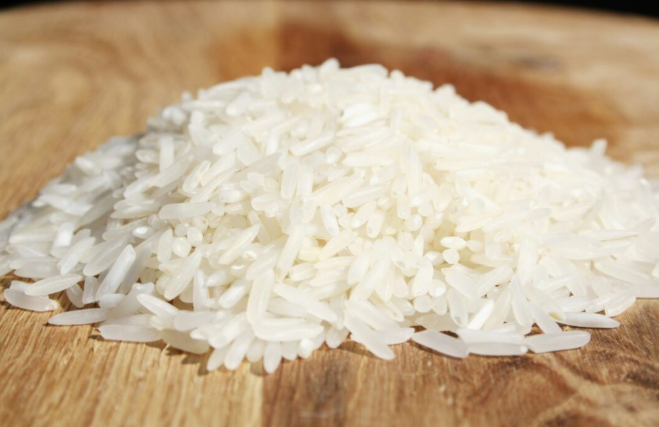
"(The) price increase applies only to Thai rice in the South, because of flooding," the trader said. He noted that overall demand remains very quiet, while some farmers have paused planting activities due to low returns.
In India, rice export prices declined to a near one-month low. The 5% broken parboiled variety was offered at $347–$354 per tonne this week, down from $348–$356 last week. The 5% broken white rice was priced at $340–$345 per tonne. Demand showed slight improvement as the Indian rupee weakened to a record low, enabling exporters to offer more competitive prices.
"The rupee's decline is helping exporters lower prices and become more competitive in attracting demand," said B.V. Krishna Rao, president of the Rice Exporters' Association.
Vietnamese 5% broken rice prices rose to $365–$370 per tonne on Thursday, compared with $359–$363 a week earlier, reaching the highest level since early November.
"We are hearing the Philippines will resume rice imports from January," a trader in Ho Chi Minh City said. "We are told the Philippines will import 300,000 to 400,000 tonnes in the month."
The chairman of the Vietnam Food Association stated that the country's rice exports are projected to decrease by about 11.5% this year to approximately 8 million tonnes, mainly because of reduced shipments to the Philippines. In the first ten months of the year, exports to the Philippines fell 18.5% to 2.96 million tonnes, according to customs data.
In Bangladesh, domestic rice prices continue to stay elevated despite ample stocks and favorable harvests. Fine-quality rice is currently retailing at 80–85 taka per kilogramme. The country imported 1.437 million tonnes in the 2024–2025 marketing year and an additional 500,000 tonnes from July to November, but retail prices have not yet shown significant decline.












 京公网安备 11010802046720号