

Wedoany.com Report-May 5, In the United Kingdom, broiler chicken meat is the most consumed meat, yet only a small fraction meets the higher welfare standards of the Better Chicken Commitment (BCC). The BCC seeks to improve practices related to growth rates, housing, stocking density, and slaughter methods to promote humane and sustainable production. A study by the Royal Veterinary College (RVC) explored barriers to adopting slower-growing broiler breeds, interviewing 30 representatives from industry and welfare organizations.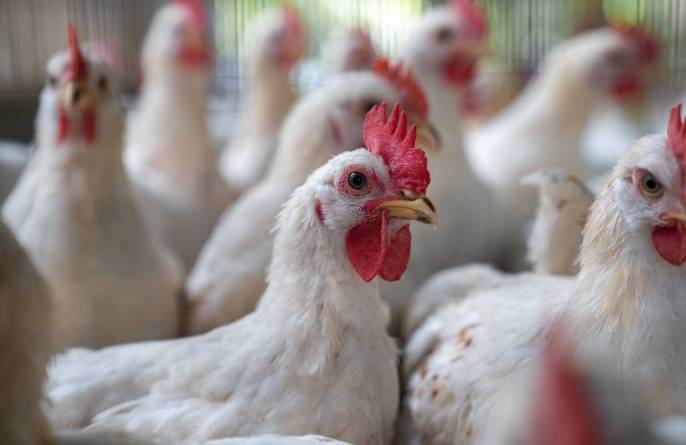
The research confirmed that slower-growing chickens experience better welfare than conventional fast-growing breeds under similar conditions, aligning with scientific evidence. However, concerns arose about the economic and environmental costs of slower growth, as well as doubts about consumers’ willingness to pay higher prices for improved welfare standards. These challenges have slowed the transition to BCC standards.
Perspectives on sustainability varied among stakeholders. Retailers and industry representatives viewed slower-growing broilers as less viable due to higher costs and carbon reduction goals, emphasizing the demand for affordable chicken. They proposed enhancing welfare in conventional breeds or adopting intermediate-growth broilers as a balanced solution. Conversely, welfare charities, scientists, and assurance scheme representatives advocated for a broader definition of sustainability, incorporating factors like water quality and biodiversity. They emphasized that animal welfare should remain a priority in sustainable production and not be compromised for environmental objectives.
The study also highlighted consumer behavior as a barrier. Purchasing decisions often do not reflect welfare priorities, partly due to unclear labeling and limited understanding of production practices. To address these issues, the report recommends reducing the costs of slower-growing broilers, improving labeling clarity, and promoting a “less but better” approach to chicken consumption.
Dr. Siobhan Abeyesinghe, associate professor at the RVC and lead author, stated: “We need a better understanding of UK consumer expectations about broiler welfare and welfare labelling, and how they prioritise welfare in relation to environmental costs and price.” She added: “If welfare improvements are to be market-driven, then welfare gains must be significant for the additional costs involved, valued by consumers, and balanced against other sustainability goals.”
The findings underscore the need for a transformative shift in the UK’s food system to align economic, environmental, and welfare goals. By addressing consumer confusion and cost barriers, stakeholders can work toward more sustainable and humane broiler chicken production, benefiting over a billion chickens annually.









 京公网安备 11010802046720号