

Wedoany.com Report-Nov. 28, The Vancouver Fraser Port Authority has completed full implementation of its centralised scheduling system, extending coverage to the Fraser River, Roberts Bank, and English Bay anchorage areas. This final phase achieves comprehensive port-wide coordination for the first time.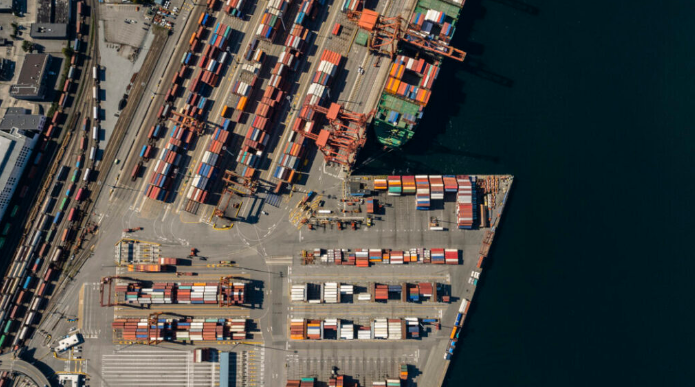
The milestone strengthens the port authority's Active Vessel Traffic Management Programme and enhances operational efficiency across 29 marine terminals handling over 3,000 annual vessel calls. This includes approximately 800 deep-sea transits in the Fraser River and Roberts Bank regions, where more than $200 billion in annual trade passes through.
Sean Baxter, Harbour Master and Director of Marine Operations at the Vancouver Fraser Port Authority, said: "Today's milestone shows what we can achieve when we bring technology and collaboration together to meet the moment for Canada's supply chain.
"Across the gateway, partners and operators have worked closely with the port authority to develop, test, and adopt this system so we can streamline vessel movements, strengthen safety, and ensure the Port of Vancouver continues to support Canada's trade diversification and economic resilience."
Since the system's initial rollout in Burrard Inlet in late 2023, performance improvements have been substantial. In 2024, deep-sea vessel traffic through Second Narrows increased 56 percent year-on-year. Enhanced visibility has also allowed CN to raise average weekly train movements across the Second Narrows Rail Bridge by 10 percent, reducing congestion and improving cargo flow.
Brad Butterwick, Vice President, Transportation – Western Region, CN, stated: "The centralised scheduling system provides CN with critical visibility over vessels transiting, or scheduled to transit, under the Second Narrows Rail Bridge. This enables us to anticipate when the bridge will need to be lifted for marine vessels and adjust train or vessel movements accordingly.
"The system, combined with our ongoing collaboration with the port authority, helps reduce the likelihood of congestion, minimises wait times, and supports a more predictable and efficient flow of freight in and out of the Port of Vancouver."
The Fraser River Pilots Committee welcomed the system's extension to the river's challenging navigation environment.
Captain Gord Cooper, Chair, Fraser River Pilots Committee, said: "The Fraser River presents unique navigational challenges, from confined waters to changing river flow conditions. The centralised scheduling system adds an important layer of visibility that supports safer and more predictable deep-sea vessel transits."
With over 450 registered users now accessing the platform, supply chain stakeholders benefit from improved planning and coordination. The development supports Canada's largest port in maintaining reliable trade operations across diverse commodity sectors.







 京公网安备 11010802046720号