

Wedoany.com Report-Dec.27, The Bangladesh Textile Mills Association (BTMA) has formally requested the government to extend the export cash incentive on textile export receipts by three years. In a letter addressed to the finance secretary and signed by BTMA president Showkat Aziz Russell, the association emphasized that this support remains essential for the survival and competitiveness of the country's export-oriented textile industry amid ongoing economic pressures.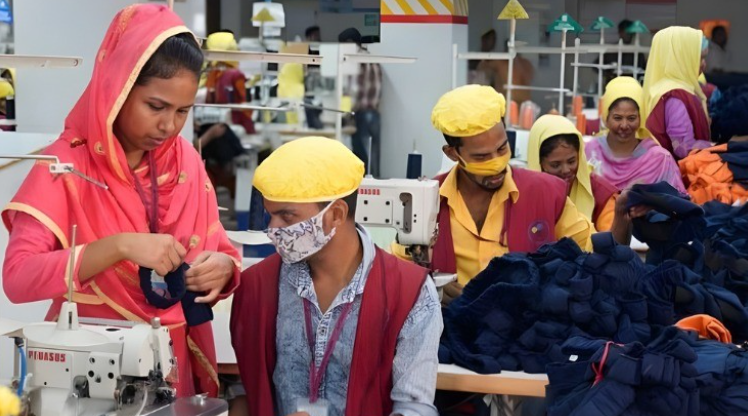
The current export cash incentive, provided under Bangladesh Bank's Foreign Exchange (FE) Circular No. 28, is valid until December 31, 2025. BTMA highlighted that the incentive has played a vital role in offsetting higher import costs for raw materials and delays in export proceeds realization. The association proposed extending the scheme until December 2028 to help maintain export performance and protect industry viability.
BTMA outlined several challenges affecting the sector, including the depreciation of the taka, rising production costs, inadequate supplies of power and gas, and external factors such as prolonged geopolitical conflicts, a global economic slowdown, sharp increases in gas prices, and a 70 percent rise in workers' wages. These issues have reduced profitability, lowered capacity utilization, increased unsold yarn inventories, and led to production adjustments in many mills.
In a separate letter to Bangladesh Bank governor Ahsan H. Mansur, BTMA sought an extension of the import credit facility for raw materials until December 31, 2026. The existing facilities, outlined in FE Circular No. 08 and reaffirmed by FE Circular No. 27, expire at the end of 2025. The current 180-day credit period falls short of needs, as the full cycle—from importing cotton to receiving export proceeds—typically spans 270 to 300 days. BTMA recommended a 360-day period to support liquidity and prevent operational disruptions.
The textile sector holds strategic importance for Bangladesh. It has attracted investments of approximately US$23 billion, representing the largest private-sector investment group in the country. The industry supplies about 70 percent of raw materials to the ready-made garment sector and contributes around 30 percent of national foreign exchange earnings, forming part of an 85 percent share of total export receipts when combined with apparel.
BTMA represents 1,869 member mills in spinning, weaving, dyeing, printing, and finishing segments. The association stressed the urgent need for continued policy support to address tightening global trade conditions and rising domestic costs. As the government prepares the next national budget and trade strategy, BTMA's proposals are anticipated to play a significant role in discussions aimed at sustaining the textile industry's competitiveness.
These appeals reflect the sector's commitment to long-term growth while navigating current economic realities.











 京公网安备 11010802046720号