

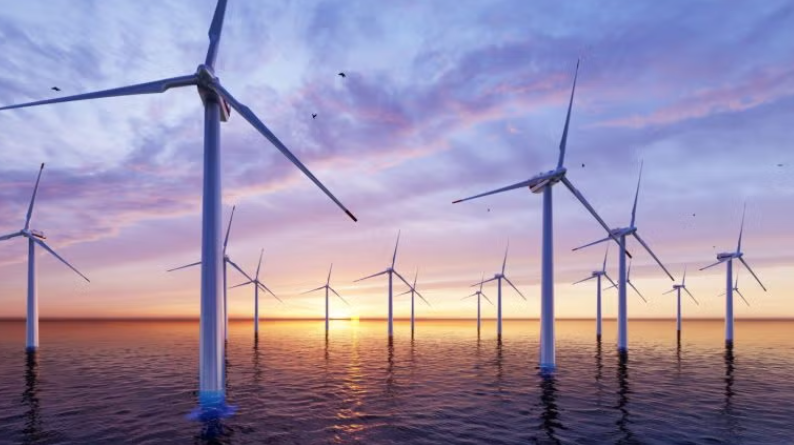
Wedoany.com Report-Mar 3, Higher supply chain costs as many countries strive to hit 2030 renewable energy targets were a key factor in the failure of Denmark to attract any bids for its 3GW offshore wind North Sea auction.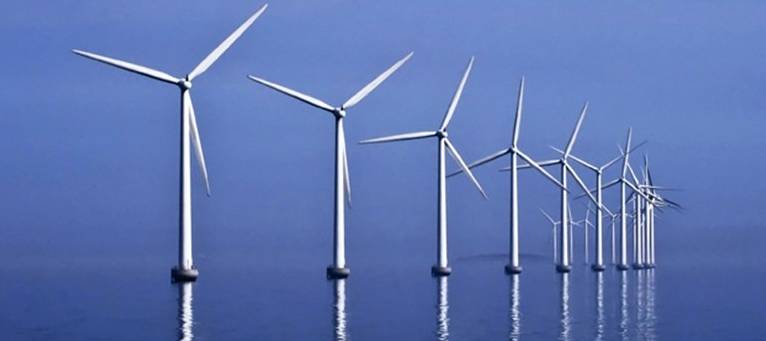
The Danish Energy Agency (DEA), which was tasked by the Danish Government to conduct a market dialogue on the auction, published its report today.
It said that it had talked with 17 companies either developers or subcontractors on why they had shown no interest in the tender last year.
The DEA said that despite being positive about the North Sea locations given good wind and seabed conditions, the companies were unable to make a “satisfactory business case”.
This was due to a combination of sharply increasing capital, operational and financing costs. Several of the companies told the DEA that they had initially expected a positive business case when the procurement procedure was announced, but due to the issues around cost and concerns over the uncertain earnings opportunities in the Danish electricity market “their expectations gradually deteriorated towards the bid deadline”.
On the cost concerns the companies said these had risen significantly due to general inflation hikes and pressure on supply chains.
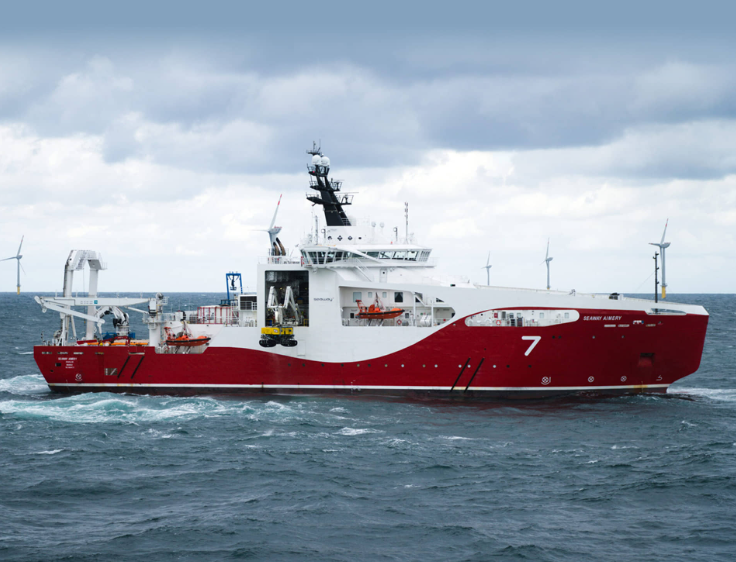
They said that the latter was partly driven by “the fact that many countries are applying 2030 targets, making it difficult and expensive to enter into agreements with suppliers, especially for wind turbines, cables and ships, for wind farms to be established in 2030 or soon after”.
Regarding concerns over a lack of electricity demand the companies pointed out that hopes that a hydrogen market would develop and buy larger amounts of power from renewable energy had not materialised.
This meant that most developers looked into supplying power solely or primarily to the Danish electricity grid, where there is already a high share of renewable energy, including wind energy with consequential downward pressure on prices.
When asked what could improve the business case, a majority of companies pointed to the need for support through a so-called (two-sided) CfD, especially in order to counter future uncertainty in the electricity market and to ensure interest and sufficient competition in a possible future procurement procedure.








 京公网安备 11010802046720号