

Wedoany.com Report-Apr. 8, On April 2, the White House introduced new tariffs targeting over 50 countries, including a total 54% levy on Chinese goods, built up since President Donald Trump’s inauguration in January. Two days later, on April 4, China countered by raising tariffs on U.S. goods, adding a 34% levy to existing rates of 10-15% on products like wheat (15%) and soybeans (10%). This brings the total tariff on U.S. soybeans to China to 44%, effective April 10. The new U.S. tariffs on Chinese goods start April 9. The USDA Foreign Agricultural Service notes that in 2024, China received over half of U.S. soybean exports by value.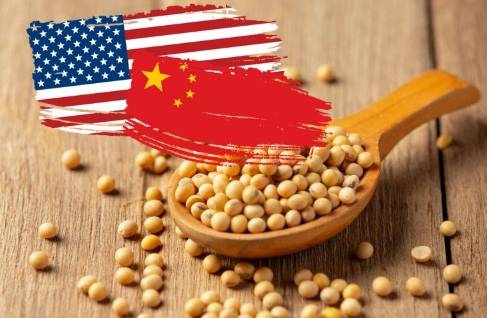
A USDA report from March 31 forecasts that U.S. farmers will plant 83.5 million acres of soybeans in 2025, down 4.1% from last year. Analysts suggest China will likely turn to Brazil for soybean purchases in the coming months. As the world’s top buyer of agricultural goods and soybeans, China relies heavily on Brazil, the leading supplier, which has steadily overtaken the U.S., the second-largest exporter, since tariffs began under Trump’s first term.
Last year, U.S. soybean exports to its top 10 markets totaled $22.6 billion. Of these, only Mexico, with $2.3 billion in sales, escaped the latest tariff escalation announced on April 2. This leaves 90% of U.S. agricultural exports vulnerable to potential retaliation. Soybean shipments to Mexico remain tariff-free.
China’s tariff increase also impacts other U.S. agricultural products, including sorghum, dairy, wheat, corn, poultry, and meat. Over $15.7 billion in U.S. exports now face tariffs of 44% to 49%, starting April 10. This exchange of tariffs reflects ongoing trade tensions, shifting global supply patterns without directly altering domestic consumption trends in either nation.
The adjustments affect export flows significantly. China’s pivot to Brazil strengthens the latter’s position, while U.S. farmers face reduced demand from a major market. The USDA’s planting outlook suggests a cautious response to these shifts. Meanwhile, Mexico stands out as a stable trade partner for U.S. soybeans amid the broader tariff escalation.
This situation underscores the complexities of international trade in agriculture. China’s role as a leading importer and Brazil’s rising dominance shape market dynamics, while the U.S. navigates higher barriers. The tariffs, effective within days of their announcements, mark a rapid escalation, influencing planning for the 2025 growing season and beyond. Both countries’ measures focus on trade adjustments rather than domestic consumption or import reliance, maintaining a clear distinction between these economic factors.








 京公网安备 11010802046720号