

Wedoany.com Report-Apr. 14, Brazil’s agricultural sector could see advantages from recent US trade policies, particularly in the meat export market, as global demand dynamics shift. The United States, a major commodity exporter, competes with Brazil in products like beef, and changes in trade relationships may create opportunities for Brazilian producers.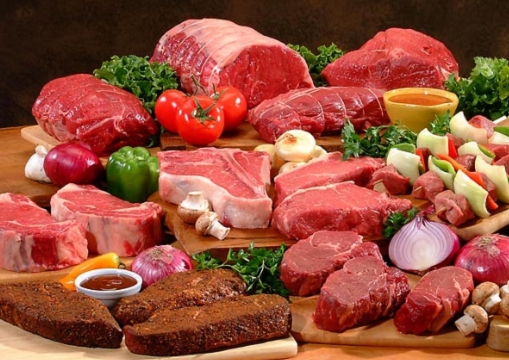
US tariffs on Brazilian goods, set at 10%, raise the export tariff on beef to approximately 36%. Despite this, US importers are expected to maintain significant purchases of Brazilian beef to meet demand. A spokesperson for Brazil’s beef industry noted: “Given the need to purchase, US importers will likely keep buying large volumes of beef from Brazil.” This sustained interest reflects the importance of Brazil’s role in global meat supply chains.
Potential responses from key markets, including Europe, Canada, Mexico, and Asia, could further redirect animal protein trade toward Brazil. For instance, increased demand from Asian countries, driven by growing food security needs, may bolster Brazilian meat exports. The spokesperson added: “Chinese retaliation and possible announcements from Europe, Canada, Mexico, and the rest of Asia may shift animal proteins to the Brazilian market.” These shifts could enhance Brazil’s position in international markets.
Global food demand, particularly in Asia, continues to rise steadily, making imports vital for many countries. Brazil, as a leading commodity supplier, is well-positioned to meet this need. The favorable outlook for Brazilian exports aligns with the country’s established reputation for reliable agricultural output, especially in beef and other proteins.
While trade negotiations worldwide reflect cautious approaches to market access, Brazil’s agricultural sector remains adaptable. The focus on food security globally supports steady demand for Brazilian commodities, even amidst economic uncertainties like inflation risks. Brazil’s ability to supply high-quality meat ensures its competitiveness, regardless of broader market challenges.
The interplay of trade policies and consumer needs underscores Brazil’s growing influence in global agriculture. By maintaining strong export channels and responding to international demand, the country continues to strengthen its role as a key supplier of essential commodities.










 京公网安备 11010802046720号