

Wedoany.com Report-Apr. 17, Argentina’s wheat harvest for the 2025/26 season is projected to increase by 10.2% from the previous year, reaching 20.5 million tons, according to Ramiro Costa, chief economist at the Buenos Aires Grain Exchange. Favorable weather, improved soil moisture, and reduced production costs are driving this growth, positioning the harvest as the second largest in the country’s history, behind only the 2021/22 season’s record of 22.4 million tons.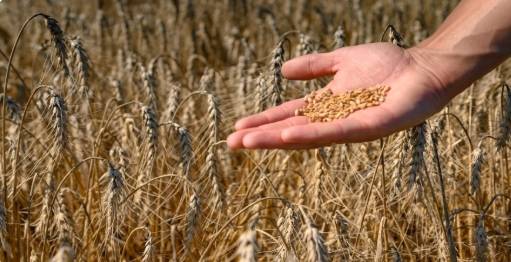
As a major global exporter of wheat, soybeans, and corn, Argentina expects to sow 6.7 million hectares of wheat, a 6.3% increase from the prior season. “The combination of optimal weather and lower costs has created a strong foundation for this season’s wheat production,” Costa said. Significant rainfall in March and early April across key agricultural regions, while delaying the soybean harvest, provided ideal conditions for wheat sowing. Forecasts indicate continued normal or above-average rainfall through fall and winter in the Southern Hemisphere, supporting crop development.
Lower production costs and stable domestic wheat prices, averaging around $207 per ton, have boosted profitability for farmers, further encouraging expanded planting. “The positive dynamics are being reinforced by the increase in the profitability of agricultural production,” Costa noted. These factors are expected to enhance the overall yield and quality of the wheat crop, strengthening Argentina’s position in global markets.
In addition to wheat, the 2025/26 season is projected to yield 5.1 million tons of barley, contributing to the country’s agricultural output. Analysts estimate that exports of wheat and barley could generate approximately $4.225 billion for Argentina’s economy, highlighting the significant economic impact of these winter crops. “The projected harvest underscores the importance of agriculture to our economy and its role in global food supply,” said a Buenos Aires Grain Exchange representative.
The favorable conditions and strategic agricultural practices are setting the stage for a robust season. By leveraging improved soil moisture and cost efficiencies, Argentina is poised to meet growing demand for its grain exports. The 2025/26 wheat and barley harvests are expected to reinforce the country’s reputation as a reliable supplier, supporting both domestic needs and international trade while contributing to sustainable agricultural growth.








 京公网安备 11010802046720号