

Wedoany.com Report-Aug. 22, The Brazilian Association of Animal Protein (ABPA) announced on Wednesday that Brazil’s chicken exports may decline by up to 2% in 2025, reaching 5.2 million metric tons. The forecast reflects the continuing effect of trade restrictions imposed by major importing countries following the detection of bird flu in May.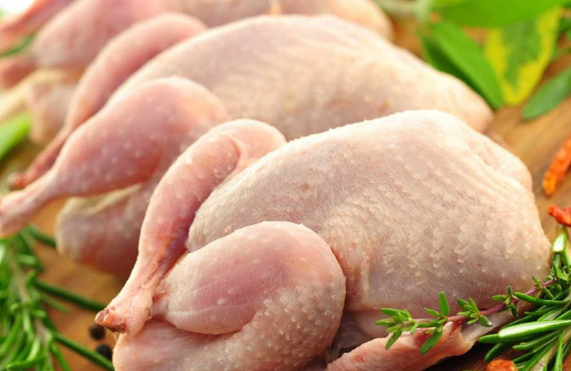
Brazil, the world’s largest chicken exporter, recorded its first case of bird flu at a breeding farm in the southern region earlier this year. The outbreak was contained by authorities within one month, but several international partners maintained temporary bans on imports. China, Brazil’s leading trade partner for poultry, has not yet lifted its restrictions. Other countries have gradually eased measures, allowing partial recovery of trade flows.
ABPA had previously projected a 1.9% increase in chicken exports for the year. The revised outlook marks a shift, emphasizing the significant role of international sanitary measures on Brazil’s poultry trade.
Despite the downward export forecast, ABPA expects Brazilian chicken production to increase by as much as 3% in 2025, reaching 15.4 million tons. Domestic consumption is also expected to expand, with per capita intake potentially rising by up to 5.4%. This growth reflects stable supply and consumer demand in Brazil’s internal market.
The association also reported notable expectations for the egg sector. Brazilian egg exports are projected to surge by nearly 117% to 40,000 tons in 2025. ABPA attributed the increase largely to strong demand from the United States, where egg availability has been reduced due to a bird flu outbreak. This demand shift has created an opportunity for Brazil to expand its presence in the international egg market.
For pork, ABPA forecast Brazilian output in 2025 to rise by up to 2.2%, reaching 5.42 million tons. Exports of pork are expected to grow more significantly, with a potential increase of 7.2% to 1.45 million tons. These estimates highlight the balance between domestic consumption and expanding international demand for Brazilian pork products.
The poultry sector remains central to Brazil’s agricultural exports, and the current adjustments underscore the influence of sanitary conditions on trade. While the short-term outlook for chicken exports is more cautious due to embargoes, the resilience of domestic consumption and the sharp rise in egg exports provide support for overall production levels.
ABPA, which represents major companies including BRF and JBS, emphasized that the industry continues to monitor international markets while adapting production to meet both local and global demand. The long-term prospects for Brazilian poultry and pork remain supported by strong fundamentals, with potential for recovery in export volumes as restrictions ease.












 京公网安备 11010802046720号