

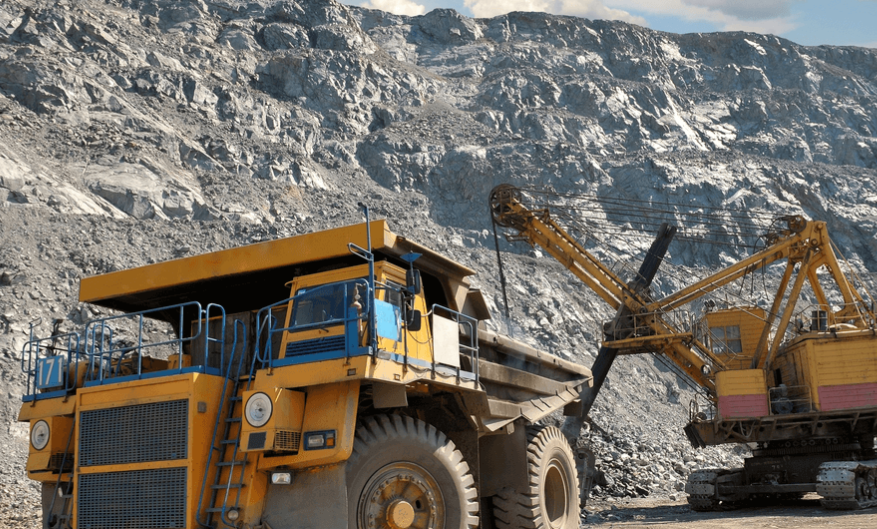
Wedoany.com Report-Sept. 5, The Australian Government has approved an extension for Glencore’s Ulan Coal Mine, according to a report by Mining.com citing Bloomberg. The decision allows for an additional 18.8 million tonnes of coal to be extracted, extending the mine’s operation until 2035.
Glencore maintained that the extension ensures continued employment for its workforce.
The extension has drawn opposition from environmental groups, which argue that it complicates efforts to meet national climate commitments. At the same time, the approval reflects the challenge of balancing economic development with emission reduction targets. The issue highlights the situation facing Prime Minister Anthony Albanese, who is advancing Australia’s domestic climate goals while seeking to host an upcoming UN climate summit.
Climate Council CEO Amanda McKenzie stated: “It’s nonsensical to cut climate pollution with one hand while approving new coal projects with the other.” Members of the Australian Greens Party also voiced concerns regarding the decision.
Glencore emphasized that the approval constitutes a “minor change to the current mine plan” designed to secure ongoing employment for its workforce. The company noted that maintaining stable operations is vital for supporting regional jobs. Meanwhile, the Department for the Environment and Water of Australia has not yet issued a formal response.
Industry representatives have defended the role of Australian coal in global markets, stressing that its quality is higher compared with some competitors such as Indonesia. They also warned that prolonged approval processes could affect employment and undermine Australia’s image as a reliable supplier.
Australia remains the world’s second-largest exporter of thermal coal. In 2024, the country exported 209 million tonnes. However, forecasts indicate that earnings from thermal coal will decline from A$32 billion ($29.9 billion) to around A$22 billion by June 2027, with export volumes also expected to decrease.
In addition to the Ulan development, Glencore is facing operational challenges in South Africa. Reports indicate that the company has begun a retrenchment process at its Rustenburg ferrochrome smelter and vanadium operations, which are managed through a joint venture with Merafe Resources. Glencore cited electricity shortages, rising power costs, and broader economic pressures as key factors affecting the viability of these facilities.
The Ulan Coal Mine extension underlines the ongoing tension between sustaining resource-based employment and meeting long-term climate targets. For Australia, the decision reflects the importance of coal in export revenues while also signaling the pressures associated with a global transition toward lower-carbon energy.






 京公网安备 11010802046720号