

Wedoany.com Report-Oct. 11, Brazil's beef shipments to China increased by 38.3% in September compared to the previous year, totaling 187,340 tonnes, according to industry association Abrafrigo. This growth contributed to overall monthly exports reaching an all-time high, demonstrating the sector's strong performance amid shifting global trade patterns.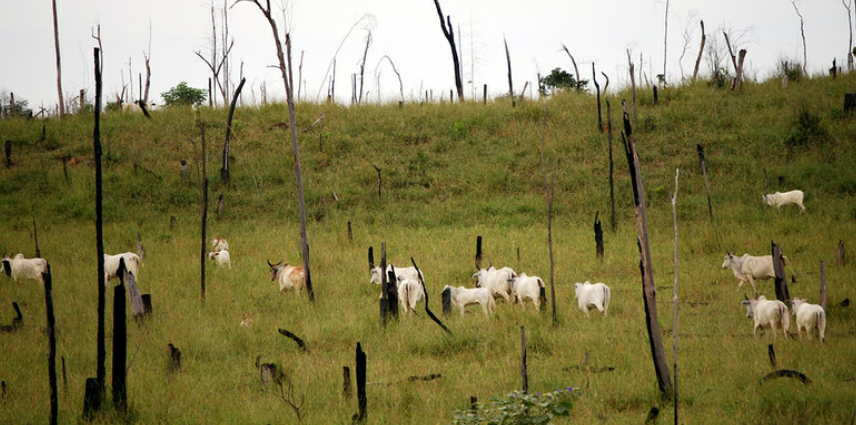
China remains the primary destination for Brazilian beef, with purchases rising as part of efforts to diversify sources for agricultural products during ongoing international trade adjustments. Abrafrigo noted that worldwide interest in beef has assisted Brazil in mitigating effects from U.S. tariffs on its goods. In August, the U.S. applied a 50% tariff on various Brazilian items, including beef, on top of an existing 26.4% duty.
As Latin America's leading economy, Brazil has broadened its outreach to established and emerging markets in response to these global trade changes. Similar patterns appear in soybean shipments, which also achieved peak levels during the month.
Overall beef exports, encompassing fresh and processed meat, edible offal, and tallow, yielded $1.92 billion in revenue for September, with shipment volumes hitting 373,867 tonnes. This marks a 49% rise in value and a 17% increase in volume from the prior year.
"This strong performance came in the second month of additional tariffs imposed by the U.S. on Brazilian products, showing the sector's resilience and ability to seize new commercial opportunities," Abrafrigo stated.
Shipments to the U.S., Brazil's second-largest beef buyer so far this year, declined by 41% in September, generating $102.9 million. The European Union emerged as the second key market last month, with imports totaling $131.7 million—a 106% jump from the year before—primarily driven by demand from Italy, the Netherlands, and Spain.
Abrafrigo reported that 130 countries boosted their purchases of Brazilian beef in 2025, while 48 scaled back.
The robust results highlight the adaptability of Brazil's beef industry in navigating trade barriers. By strengthening ties with major importers like China and the EU, the country has sustained growth despite challenges in other regions. This diversification not only bolsters revenue but also enhances market stability for producers.
Looking ahead, sustained global demand could further elevate Brazil's position as the top beef exporter. The sector's focus on efficiency and quality continues to attract buyers, supporting economic contributions from agriculture. As trade dynamics evolve, Brazil's proactive approach positions it well for continued expansion in international markets.









 京公网安备 11010802046720号