

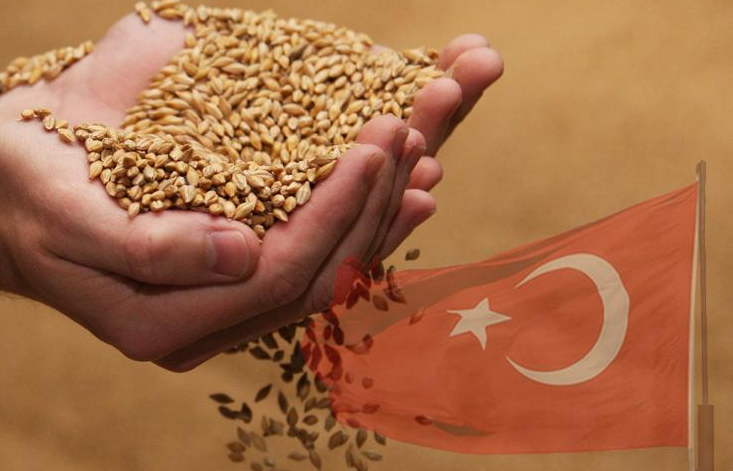
Wedoany.com Report-Oct. 20, Kazakhstan is positioning itself as Turkey’s exclusive supplier of high-quality durum and high-protein wheat, enhancing agricultural cooperation between the two countries. The initiative was discussed during a meeting between Kazakhstan’s Minister of Agriculture, Aidarbek Saparov, and his Turkish counterpart, Ibrahim Yumakli, at a food cooperation conference under the “One Belt, One Road” initiative in Shanghai.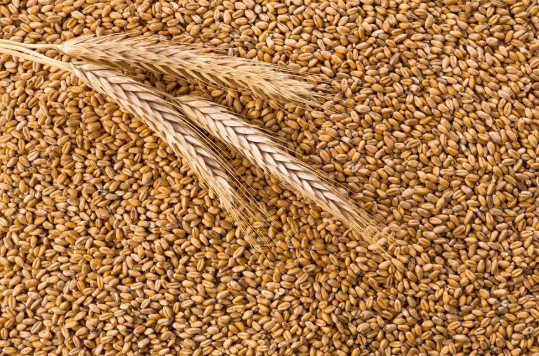
To streamline trade and logistics, both sides proposed establishing a “grain hub” at the Baku terminal, which would serve as a regional gateway for moving agricultural commodities between Central Asia and Turkey. Minister Saparov highlighted that agricultural trade between Kazakhstan and Turkey continues to grow steadily. “The heads of our states have repeatedly emphasized the strategic importance of deepening cooperation between Kazakhstan and Turkey, especially in the agro-industrial complex,” he said.
Saparov noted that the nations’ agreement to strengthen mutually beneficial partnerships guides their work, adding that in the first eight months of 2025, agricultural trade turnover increased by 2.9%, reaching US$186.7 million. Currently, Kazakhstan’s exports to Turkey mainly include vegetables, legumes, cotton fiber, bran, and flax seeds. The government aims to diversify this list by incorporating new products, including premium grains such as durum wheat, widely used in pasta and semolina production.
The Ministry of Agriculture also announced that JSC “NC Food Corporation” is planning joint projects with Turkish partners to cultivate legume crops in Kazakhstan. These initiatives will operate under a forward financing program, providing farmers access to high-quality seeds and modern agricultural technologies. The harvested legumes will be exported to Turkey, strengthening bilateral trade and supporting value chain development in both countries.
Minister Yumakli commended Kazakhstan’s potential as a reliable agricultural partner and expressed Turkey’s readiness to deepen cooperation across multiple agro-industrial sectors. He emphasized the importance of strategic collaboration in grains, legumes, and other food commodities to enhance regional supply chains.
The next major platform for advancing these discussions will be the International AgroFood Summit 2025, scheduled for November 19–21 in Mersin, Turkey. The event will bring together policymakers, exporters, and investors to explore opportunities for expanding agricultural trade, particularly in grains, legumes, and oil and fat products. Delegates will gain market insights and hold direct negotiations to expand product sales and establish new partnerships.
Overall, these initiatives are expected to reinforce Kazakhstan’s growing role as a strategic supplier of high-quality agricultural commodities to Turkey and the wider region, supporting sustainable trade growth, diversification of exports, and closer agro-industrial collaboration.








 京公网安备 11010802046720号