

Wedoany.com Report-Oct. 25, China has risen to become the fourth-largest importer of Ethiopian coffee, advancing from seventh place two years ago, according to Shafi Umer, deputy director general of the Ethiopian Coffee and Tea Authority. This shift highlights the growing demand for Ethiopian coffee in the Chinese market and strengthens trade ties between the two nations.
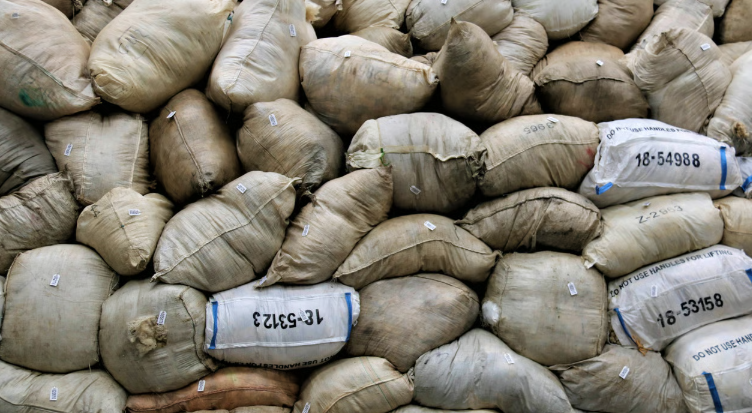
In the first quarter of Ethiopia’s fiscal year, starting July 8, 2025, the country exported approximately 9,470 tonnes of coffee to China, generating 65.49 million U.S. dollars in revenue, Umer shared in a recent interview with Xinhua. “The revenue earned from coffee exports to China during the first three months of the current fiscal year saw nearly a seven-fold increase compared to the income generated during the same period last year,” he said.
Umer attributed this significant growth to the increasing popularity of Ethiopia’s organic coffee among Chinese consumers, coupled with enhanced delivery systems that ensure timely and efficient shipments. These improvements have enabled Ethiopia to meet the rising preference for high-quality coffee in China, supporting the expansion of export volumes.
Germany, Saudi Arabia, and Belgium continue to lead as the top markets for Ethiopian coffee during this period. Following them, China, the United States, South Korea, the United Arab Emirates, Japan, Italy, and Russia rank among the next seven largest importers, based on data from Ethiopian authorities. This diverse export portfolio underscores Ethiopia’s position as a key player in the global coffee trade.
The surge in exports to China reflects the country’s growing appreciation for premium coffee varieties, particularly organic blends, which align with consumer trends toward sustainable and high-quality products. Ethiopia’s focus on improving logistics has streamlined trade processes, ensuring that coffee reaches international markets efficiently while maintaining freshness and quality.
This development benefits Ethiopia’s economy by boosting foreign exchange earnings and supporting local farmers. The coffee sector, a cornerstone of Ethiopia’s agricultural industry, provides livelihoods for millions, and the increased demand from China creates new opportunities for growth and investment in coffee production.
China’s rise as a major importer also highlights the deepening economic collaboration between the two nations. By prioritizing organic coffee and reliable supply chains, Ethiopia is well-positioned to further expand its market share in China, catering to evolving consumer preferences. This trend supports sustainable trade practices and fosters mutual economic benefits.
As Ethiopia continues to enhance its coffee exports, the focus remains on quality and efficiency to sustain this upward trajectory. The success in the Chinese market serves as a model for expanding trade with other regions, reinforcing Ethiopia’s reputation as a leading coffee supplier while contributing to global market diversity.











 京公网安备 11010802046720号