

Wedoany.com Report-Nov. 25, Ghana has unveiled a US$500 million investment programme to expand its oil palm industry and achieve greater self-sufficiency in palm oil production, as detailed in the 2026 Budget and Economic Policy Statement.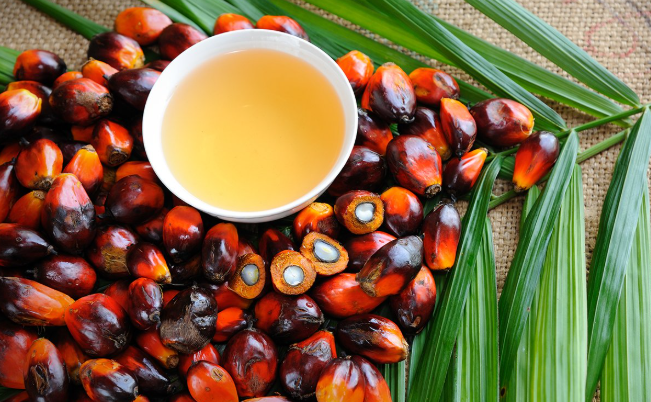
The country currently meets approximately 70 percent of its domestic palm oil requirements through local production while importing the remaining 30 percent, at an annual cost of nearly US$200 million.
The new National Integrated Palm Oil Development Policy (2026–2032), developed in partnership with the World Bank, Ghana Development Bank, and other financial institutions, will provide long-term concessional financing. Loans will cover up to 70 percent of project costs and include a five-year repayment grace period, accommodating the seven-year maturation cycle of oil palm plantations.
Key initiatives include establishing 100,000 hectares of new estates to secure raw material supply for processing facilities. Smallholder farmers will receive priority support through improved seedlings, subsidized fertilizer, guaranteed purchase agreements, training, and access to a dedicated Smallholder Support Fund offering affordable credit, with particular focus on women and youth participation.
In 2025, Ghana signed a public-private partnership with Onesta Ghana Ltd. to mobilize US$50 million for the Redgold Oil Palm Plantation Project, covering 10,000 hectares of development and processing infrastructure.
The government also intends to address illegal imports, which currently account for a significant portion of cooking oil entering the market, bypassing quality controls and taxation. Strengthening enforcement is expected to create a more favourable environment for legitimate local producers and encourage further investment.
Through these measures, Ghana aims to substantially increase domestic output, reduce foreign exchange expenditure on imports, generate employment across the value chain, and establish a sustainable, commercially viable oil palm sector capable of meeting national demand while supporting long-term agricultural development.






 京公网安备 11010802046720号