

Wedoany.com Report-Dec.16, Containership ordering activity reached a new annual record in 2025, with 633 vessels contracted for a combined capacity of 5.08 million teu as of mid-December, according to data compiled by Linerlytica. This figure exceeds previous highs of 4.74 million teu in 2021 and 4.77 million teu in 2024.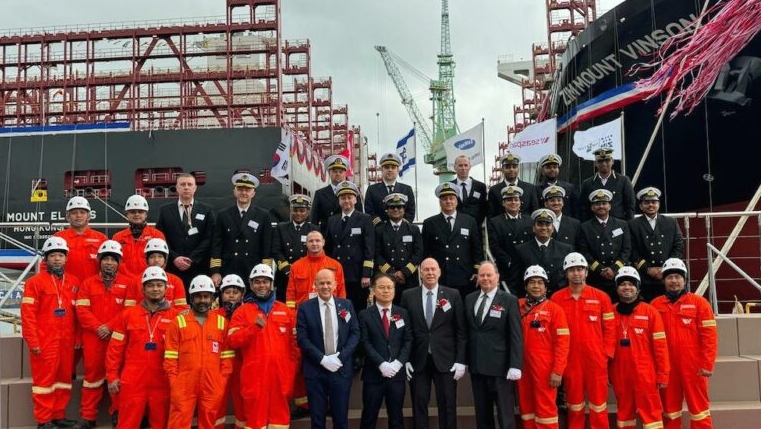
Recent orders from COSCO and Hapag-Lloyd contributed to pushing the total beyond earlier benchmarks. Chinese shipyards secured approximately 72 percent of the year's contracted capacity in teu terms, reflecting strong demand for construction slots at domestic facilities.
"The rush to secure container feeder tonnage at Chinese shipyards shows no signs of slowing, with the only apparent constraint being the availability of building slots," broker Braemar observed in its most recent container markets report.
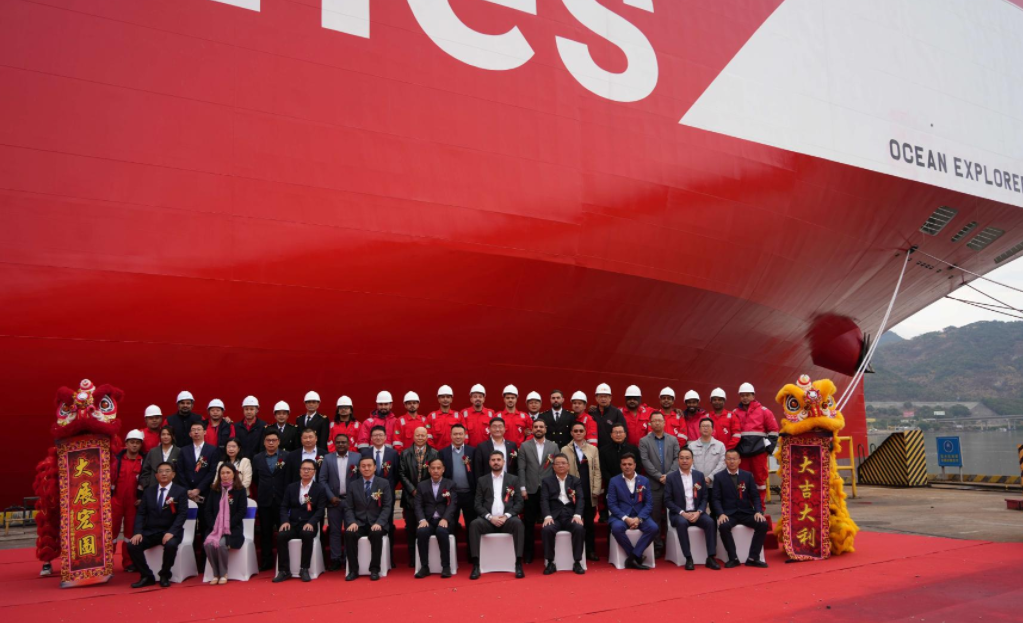
Further adding to the record volume, MPC Container Ships has placed an order for six vessels of 3,700 teu each at Taizhou Sanfu Ship Engineering.
Filipe Gouveia, shipping analysis manager at BIMCO, highlighted that the current orderbook represents 33 percent of the existing global fleet. He expressed concern regarding the substantial volume of new capacity scheduled for delivery in coming years.
"From a supply/demand balance development, we find the container orderbook size the most concerning, not least since the container sector will see the largest demand reduction if ships return to normal Red Sea/Suez Canal routings," Gouveia said. He added that supply growth is likely to exceed demand increases across the container shipping segment for the next five years.
The elevated ordering pace demonstrates sustained confidence among operators in long-term trade expansion, despite near-term uncertainties related to routing patterns and freight rate volatility. Feeder and mid-size vessels continue to attract particular interest, supporting regional and intra-continental services.
Shipyard schedules remain heavily booked, with limited open berths influencing contract timing and pricing negotiations. The concentration of awards at Chinese builders underscores their competitive position in terms of technology, delivery reliability, and cost efficiency for modern containership designs.
Industry observers note that the incoming tonnage wave will gradually enter service over multiple years, providing carriers with enhanced fleet flexibility while potentially pressuring utilization rates if cargo growth moderates. Effective capacity management strategies, including slow steaming and service adjustments, may help mitigate imbalances.
Overall, the 2025 contracting surge establishes a new benchmark for post-pandemic vessel investment, illustrating continued commitment to fleet renewal and expansion across major liner companies.









 京公网安备 11010802046720号