

Wedoany.com Report-Mar 10, Hungary reported its first case of foot-and-mouth disease in more than 50 years, on a cattle farm in the northwest of the country, the World Organization for Animal Health (WOAH) said, citing Hungarian authorities on March 7.
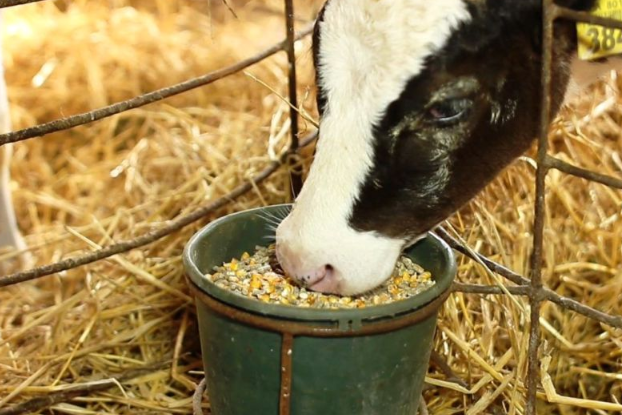
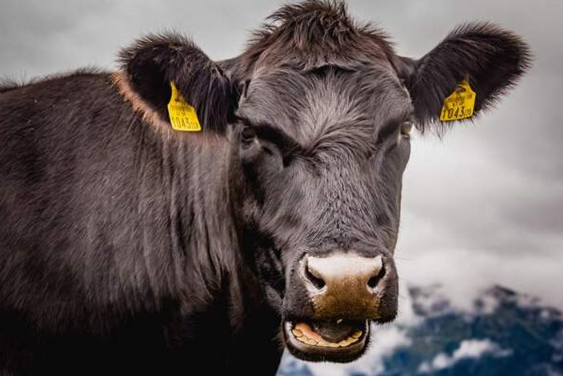
According to WOAH, the outbreak, discovered in the city of Gyor, is the first outbreak of foot-and-mouth disease outbreak reported since 1973. The case was found on a 1,400-strong cattle farm on the border with Slovakia, Hungary’s National Food Chain Safety Office (Nébih) reported on Friday.
The farm showed classic symptoms of foot-and-mouth disease at the beginning of March, the report says.
“The presence of the pathogen was confirmed by the Nébih laboratory, which is why Dr. Szabolcs Pásztor, the national chief veterinarian, immediately ordered the closure of the farm and the initiation of an epidemiological investigation,” the report says. " In order to prevent the further spread of the disease, extremely strict official measures will be implemented, including a ban on the transport of susceptible live animal species.”
On Jan. 10, Germany confirmed its first outbreak of foot-and-mouth disease since 1988. The outbreak was detected in a herd of water buffalo in the Märkisch-Oderland district of Brandenburg, near Berlin.
“The confirmation of foot-and-mouth disease in cattle in Hungary comes less than two months after the virus was found in water buffalo in Germany,” the Swine Health Information Center (SHIC) said in a statement. “Hungary does not share a border with Germany; FMD-affected animals are approximately 475 miles apart.”
FMD affects cloven-hoofed animals such as cattle, pigs, sheep and goats. Not only is it highly contagious, but it also causes severe symptoms, including fever, painful blisters, reduced milk production and significant economic losses for farmers.
FMD poses no direct health risk to humans, but it’s important to note that they can act as carriers of the virus via contaminated clothing, shoes or equipment.





 京公网安备 11010802046720号