

Wedoany.com Report-Apr 4, A recent development in the energy sector highlights the challenges posed by U.S. sanctions on international oil companies. Eni, an Italian energy firm, has reported that it cannot be compensated for gas produced in Venezuela through its joint ventures with PDVSA, the state-owned oil company of Venezuela. This follows U.S. authorities’ enforcement of sanctions on the country, which have impacted the ability of foreign oil companies to receive payments for their exports.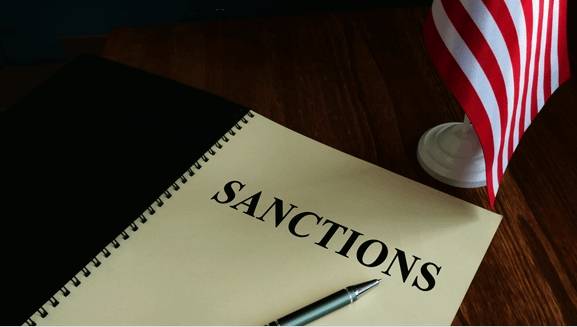
Eni can no longer be repaid for gas that it produces in Venezuela through oil supplies from state-owned PDVSA.
Eni, in a statement, emphasized its commitment to compliance with international sanctions and is actively engaging with U.S. authorities to explore alternative solutions for remunerating non-sanctioned gas supplies. The company’s efforts aim to ensure that essential gas for Venezuela’s population is fairly compensated while adhering to the framework of U.S. sanctions.
The situation is not unique to Eni but affects several foreign oil companies operating in the region, including Spain’s Repsol. Like Eni, Repsol has also faced challenges in fulfilling debt obligations under joint ventures with PDVSA. The companies involved have been granted permits by the U.S. Treasury Department to conduct operations in Venezuela, despite the sanctions, but the current crisis underscores the complexities of managing international business under such restrictions.
The U.S. administration, under the first Trump administration, implemented strict sanctions on Venezuela in 2019, targeting oil exports. In recent years, the U.S. Treasury has issued permits such as licenses or letters of comfort to allow certain oil and gas companies to operate in Venezuela, though these permissions are often conditional. Eni and Repsol have utilized such permits to receive oil cargoes from PDVSA, with the aim of recovering debts from their investments in a joint venture, Cardon IV, and natural gas sales.
The ongoing tensions between the U.S. and Venezuela are part of a broader strategy by former President Trump to pressure Maduro’s regime. This includes imposing 25% tariffs on U.S. imports from countries that supply Venezuelan oil, as well as pulling back Chevron’s drilling license in the nation. These measures have had a ripple effect, impacting other companies such as Global Oil Terminals and France’s Maurel et Prom, which must halt operations in Venezuela by May 27.
Venezuelan officials have not yet responded to Eni’s request for comment, likely due to the timing of the inquiry outside normal business hours. The situation remains complex, with international sanctions and economic pressures continuing to disrupt trade and investment in the region.








 京公网安备 11010802046720号