

Wedoany.com Report-Apr. 8, The Japan International Cooperation Agency (JICA) has committed a $520 million loan to support a 47km expansion of the Delhi Metro in India. This funding will facilitate the extension of Lines 1 and 5, as well as the development of the new Line 11. The project includes the construction of 39 stations—29 above ground, nine underground, and one at ground level—along with a new metro depot and the acquisition of 178 metro cars.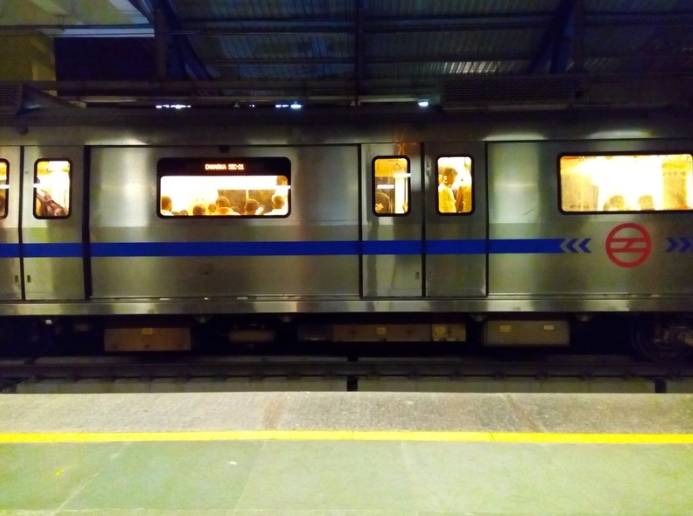
A train on the Delhi Metro
The initiative aims to enhance the metro’s infrastructure by upgrading power, signaling, and communication systems. It will also introduce an automated fare collection system to streamline operations. Additionally, the loan will cover consulting services for design, construction oversight, and technology integration, ensuring the project meets high standards of efficiency and reliability.
Takeuchi Takuro, JICA India’s chief representative, emphasized the project’s significance, stating: “The rapid increase in urbanisation and vehicle ownership in Delhi has led to severe traffic congestion and environmental challenges. The expansion of the Delhi Metro network is a critical step toward addressing these issues by providing a reliable, efficient and eco-friendly mass-transit solution.” The upgrades are designed to offer a sustainable alternative to private vehicles, easing congestion and reducing environmental impact in the capital city.
This investment brings JICA’s total contribution to the Delhi Metro to $2 billion, building on its support for the project’s first four phases. The agency’s ongoing involvement underscores its commitment to improving urban mobility in Delhi through modern, eco-conscious public transportation. The expanded metro lines are expected to serve a growing number of commuters, enhancing connectivity across the city and supporting sustainable urban development.
By extending the metro network, the project will provide residents with better access to efficient transport options, helping to alleviate the challenges posed by rapid urbanization. The inclusion of advanced systems and new rolling stock will ensure the metro remains a dependable choice for daily travel, contributing to a cleaner and less congested Delhi.







 京公网安备 11010802046720号