

Wedoany.com Report-Apr. 17, The Hagia Sophia Grand Mosque in Istanbul, Türkiye, is set to undergo its most comprehensive restoration in its 1,488-year history, focusing on enhancing its resilience to earthquakes. The project aims to preserve the iconic structure while ensuring that worship at the mosque continues uninterrupted during the renovation process.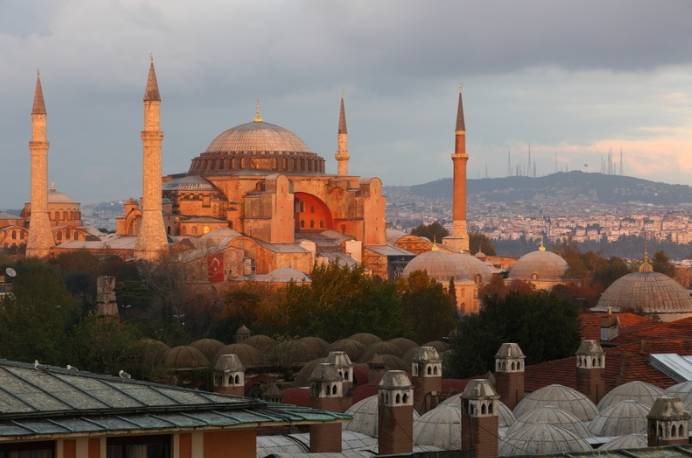
Istanbul’s Hagia Sophia
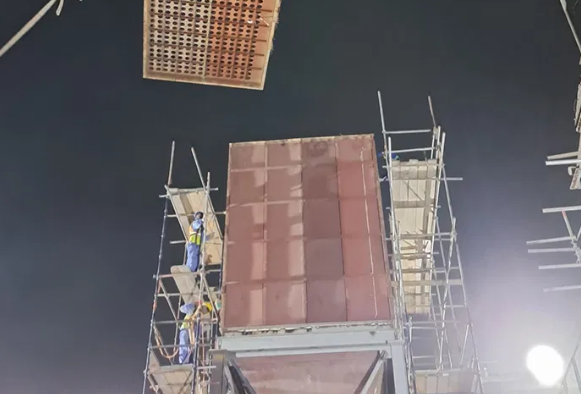
Mehmet Nuri Ersoy, Türkiye’s Minister of Culture and Tourism, outlined key aspects of the restoration. “The dome’s exterior would be temporarily covered with steel to protect against the weather and shield the interior mosaics,” Ersoy said. The project includes removing and repairing the dome’s lead coatings to strengthen the structure. To facilitate access for workers, a 43.5-meter-tall steel platform will be constructed across four columns, allowing safe and efficient work on the dome.
Originally built in 537 AD as a Christian church by Byzantine Emperor Justinian I, the Hagia Sophia was designed by renowned architects Anthemius of Tralles and Isidorus of Miletus. Known as Saint Sophia, the structure has endured significant seismic activity over the centuries, experiencing three partial collapses, the first just 51 years after its completion. The current restoration prioritizes structural reinforcement to protect the building from future earthquakes, safeguarding its historical and cultural significance.
The restoration presents unique challenges, particularly the need to maintain the mosque’s active use for worship. The project team is carefully planning to balance construction activities with the site’s religious functions, ensuring minimal disruption for visitors and worshippers. “This restoration is a critical step in preserving the Hagia Sophia’s legacy while enhancing its durability for future generations,” said a project spokesperson.
The Hagia Sophia’s restoration reflects Türkiye’s commitment to protecting its cultural heritage. By addressing seismic vulnerabilities and preserving the intricate mosaics and architectural features, the project aims to maintain the mosque’s status as a global landmark. The use of steel coverings and platforms demonstrates a modern approach to conservation, blending advanced engineering with respect for historical integrity.
This ambitious initiative underscores the importance of safeguarding iconic structures while adapting them to contemporary environmental challenges. The Hagia Sophia’s restoration is expected to set a benchmark for preserving historical sites, ensuring that this architectural masterpiece continues to inspire and serve its community for centuries to come.






 京公网安备 11010802046720号