

Wedoany.com Report-Jun 27, The government of Bangladesh has lowered the import duty on solar inverters from 10% to 1% to encourage solar power development. The measure, enacted on June 22, 2025, through the fiscal year 2025-26 budget law, aims to reduce project costs and attract investment in renewable energy.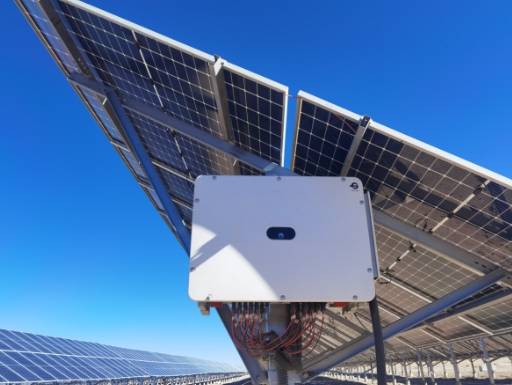
Officials stated that the duty reduction responds to long-standing requests from the domestic photovoltaic (PV) sector. Solar inverters, essential for converting solar energy into usable electricity, account for approximately 15% of solar project costs. Dipal C. Barua, chairman of the Bright Green Energy Foundation, noted: “The duty cut will help lessen project cost and increase affordability.”
Mostafa Al Mahmud, president of the Bangladesh Sustainable and Renewable Energy Association, emphasized the significance of the decision, stating: “As the government lowered import duty on inverters, the other taxes will also go down.” He urged authorities to enhance the availability of storage systems to further support renewable energy growth, a demand frequently raised in government discussions.
To promote rooftop solar adoption among households and businesses, the government is revising its net-metering policy. This initiative aims to create a more favorable environment for distributed solar energy systems, enhancing access to clean power.
Earlier in 2025, the Bangladesh Power Development Board (BPDB) issued 41 solar tenders between December 2024 and January 2025, but received no bids, prompting repeated deadline extensions. In response, the BPDB launched a new tender for 2.65 GW of solar capacity, incorporating feedback from investors. Golam Mortuza, director of independent power producer Cell-1, told pv magazine: “The BPDB had eased some conditions following investor feedback and could revise them further.”
Bangladesh currently has 1,550 MW of renewable energy capacity, with 1,256 MW derived from solar power. The duty reduction and policy adjustments reflect the government’s commitment to expanding clean energy infrastructure, fostering economic benefits, and improving energy access nationwide.








 京公网安备 11010802046720号