

Wedoany.com Report-Aug. 28, India added 18 gigawatts (GW) of solar power capacity in the first half of 2025, a 31% increase from the same period in 2024, according to Mercom India Research’s “Q2 2025 India Solar Market Update” report. Large-scale solar projects saw a 20% year-on-year rise, up from 12.6 GW in the first half of 2024, driven by regulatory deadlines and growing demand for renewable energy.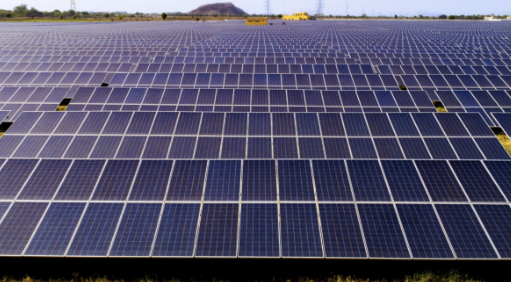
The report highlighted that 11.3 GW was installed in the second quarter alone, a 145.4% increase compared to 4.6 GW in Q2 2024. Rajasthan, Gujarat, and Maharashtra led the additions, contributing 33.7%, 27%, and 17.4% of the new capacity, respectively. Developers accelerated project commissioning before June 2025 to secure full waivers on interstate transmission charges, supported by increased demand from distribution companies for consistent renewable power.
Raj Prabhu, CEO of Mercom Capital Group, stated: “India’s solar installations surged in Q2 with over 11 GW added, making it one of the strongest quarters to date. Developers continue to face shortages of DCR-compliant modules, transmission and substation bottlenecks, and delays in PPA signings.” He noted that stronger domestic manufacturing and balanced policies are essential to sustain growth amid an expanding project pipeline.
As of June 30, 2025, India’s cumulative installed solar capacity reached 116.4 GW, with large-scale projects accounting for nearly 86% and rooftop systems making up about 14%. Rajasthan, Gujarat, and Karnataka remained the top states for large-scale capacity, representing approximately 29%, 18%, and 13% of installations, respectively.
The large-scale solar pipeline stood at nearly 191 GW, with over 131 GW of projects tendered and awaiting auction by June 2025. This robust pipeline reflects India’s commitment to expanding renewable energy to meet rising energy demands and sustainability goals. However, challenges such as module shortages and infrastructure constraints could impact future installations if not addressed.
India’s solar growth supports its efforts to enhance energy security and reduce carbon emissions. The significant capacity additions in 2025 strengthen the country’s renewable energy infrastructure, particularly in key states, and position it as a leader in the global transition to clean energy. Continued investment in manufacturing and grid infrastructure will be critical to maintaining this momentum and supporting economic and environmental objectives.












 京公网安备 11010802046720号