

Wedoany.com Report-Oct. 11, Russia's Federal Service for Veterinary and Phytosanitary Surveillance (Rosselkhoznadzor) and the corresponding agency in Chile plan to conduct discussions on fish shipments toward the end of October. The meetings will focus on ensuring adherence to established standards for these products.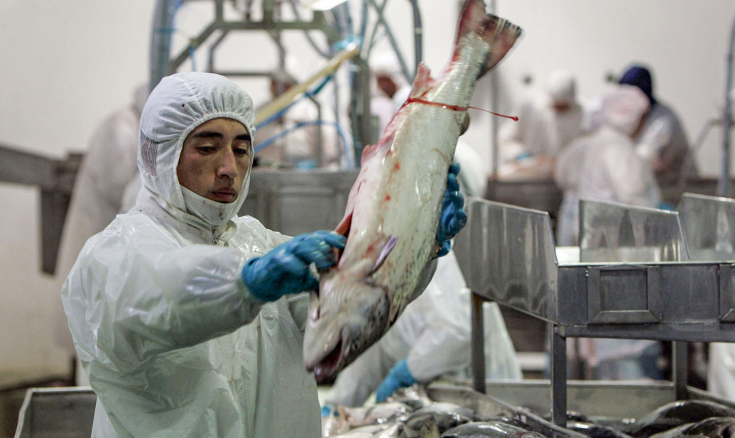
Konstantin Savenkov, deputy head of Rosselkhoznadzor, will represent the Russian side during the talks at the international fish forum in St. Petersburg. The Chilean agency's leader is also expected to participate in these proceedings.
"You know our position. We are slowly but persistently asking them to comply with our requirements," said Sergei Dankvert, head of Rosselkhoznadzor, while speaking to journalists on the margins of the Golden Autumn 2025 agricultural exhibition in Moscow on Friday.
"Konstantin Savenkov [deputy head of the service] will lead our talks on Chile at the international fish forum in St. Petersburg [at the end of October]. The head of the Chilean service will be attending," Dankvert added.
These discussions follow prior concerns raised by Rosselkhoznadzor regarding fish imports from Chile. The issues center on inconsistencies observed in the documentation accompanying the shipments, particularly differences between the details on product labels and those in the veterinary certificates. To address these matters, specialists from Rosselkhoznadzor have carried out remote video inspections at multiple fish processing facilities in Chile.
The collaborative approach aims to resolve these documentation discrepancies and facilitate smoother trade flows. Such inspections help verify processing practices and ensure that exported products meet the necessary safety and quality criteria. Rosselkhoznadzor has emphasized the importance of accurate paperwork to maintain trust in international supply chains.
The international fish forum in St. Petersburg serves as a key platform for these bilateral engagements, bringing together experts from various countries to exchange insights on sustainable fisheries and trade regulations. By holding talks there, both sides can explore practical solutions to ongoing challenges in fish exports.
This initiative reflects a commitment to steady dialogue between Russian and Chilean authorities. Resolving documentation issues could enhance the reliability of fish supplies, benefiting importers and consumers alike. Rosselkhoznadzor's methodical process underscores a focus on verification and improvement rather than abrupt measures.
As the end of October approaches, these discussions hold potential to strengthen cooperation in the seafood sector. For Chile, a prominent exporter of fish products, aligning with Russian requirements could sustain and expand market access. Meanwhile, Russia continues to prioritize rigorous oversight to uphold standards in imported goods.
Overall, the planned talks highlight the value of international collaboration in addressing trade hurdles. Through persistent efforts, both nations seek to foster a more efficient and compliant framework for fish shipments, supporting global food security and economic ties.











 京公网安备 11010802046720号