

Wedoany.com Report-Oct. 11, PT PLN Energi Primer Indonesia (PLN EPI), a subsidiary of Indonesia's state electricity company, PT Biomassa Energi Group (BEG), and Poland's G7 Group SP.Z.O.O have agreed to build five biomass manufacturing facilities. This initiative follows the effective launch of their initial joint project focused on pelletized oil palm empty fruit bunches.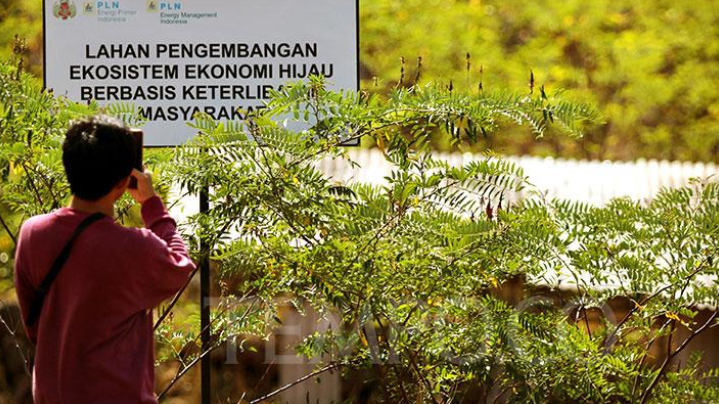
"This will be followed by five additional plants with similar or larger capacities," said Rogowski Wojciech Marek, legal advisor for G7 Group SP.Z.O.O, in a written statement on Friday, October 10, 2025.
The first facility is slated to commence operations in 2026, aiming to generate 120 thousand tons of empty fruit bunch pellets annually. The memorandum of understanding (MoU) signing, involving the three entities, seeks to bolster the supply chain and facilitate exports of Indonesian biomass to international markets, particularly in Asia and Europe.
Marek expressed confidence in the partnership's potential during the MoU ceremony. He projected that collaborative efforts could elevate exports of Indonesian biomass items, including palm kernel shells, palm oil waste wood pellets, and oil palm empty fruit bunches, to three million tons per year in the near future.
He highlighted the steady rise in worldwide biomass demand and Indonesia's strong position to lead the sector. "Even before this MoU was signed, we had already prepared strategic steps to secure market share," Marek said.
Indonesia holds substantial biomass resources, estimated at around 130 million tons annually, though only a fraction is currently harnessed. "We want to transform this significant potential into real opportunities, both for the national electricity system's decarbonization and to meet the global demand for green energy," said Hokkop Situngkir, Director of Biomass at PLN EPI.
Situngkir emphasized PLN EPI's expanding role beyond domestic energy provision. The company is venturing into biomass trading and sustainable fuel exports while committing to secure local supplies for the co-firing initiative. This program involves blending biomass with coal in steam power plants operated by PLN to promote cleaner energy generation.
The collaboration aligns with Indonesia's efforts to optimize renewable resources and support environmental goals. By developing additional plants, the partners aim to enhance production efficiency and contribute to sustainable energy transitions. The facilities will utilize agricultural byproducts, fostering economic benefits for local communities involved in biomass collection and processing.
This development positions Indonesia as a key supplier in the global biomass market, addressing increasing needs for eco-friendly fuels. Through structured partnerships, the initiative supports both national energy security and international trade in low-carbon materials, paving the way for expanded utilization of the country's abundant resources.








 京公网安备 11010802046720号