

Wedoany.com Report-Nov. 28, Alibaba (9988.HK) officially launched its Quark artificial intelligence glasses in China on Thursday, marking the company's entry into the growing AI wearables sector.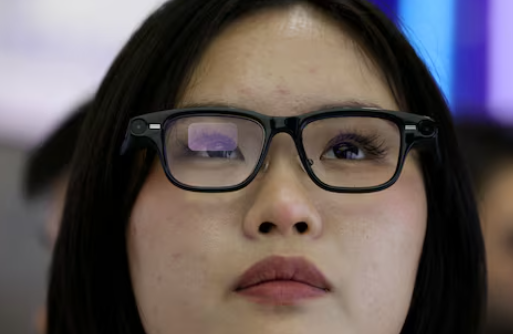
A woman tries on a pair of Quark AI glasses by Alibaba at the company's booth at the expo of the World Internet Conference in Wuzhen town of Tongxiang city, Zhejiang province, China November 8, 2025.
The Quark glasses are priced from 1,899 yuan ($268.25) and are powered by Alibaba's Qwen large language model and dedicated app. Designed to resemble ordinary eyewear with a black plastic frame, they differ from bulkier headsets offered by competitors such as Meta.
The device integrates closely with Alibaba's ecosystem, including Alipay and Taobao, enabling functions such as real-time translation, instant product price identification, and navigation assistance.
"Alibaba's strengths are shopping, payments and navigation, so its AI glasses function more like a life assistant," said Li Chengdong, a Beijing-based electronics industry analyst.
He added that the launch reflects Alibaba's aim to strengthen its position in consumer AI and secure new user interaction channels in the competitive e-commerce landscape. "Alibaba is not a monopoly in e-commerce," he said. "It hopes AI can help it secure the next-generation traffic gateway."
The Quark glasses became available for purchase on Thursday across major Chinese online platforms, including Tmall, JD.com, and Douyin. Sales data are not yet disclosed.
The release adds to increasing activity in the AI-enhanced wearable device market. Meta currently holds the leading position in the global smart glasses and VR headset segment. Apple offers its Vision Pro mixed-reality headset, while Samsung introduced its Galaxy XR extended-reality device in October, incorporating AI capabilities developed with Google.
Within China, several domestic technology companies have also introduced similar products. Xiaomi released its own AI glasses in June, and Baidu already offers a comparable device to consumers.
Alibaba's move follows a major upgrade to its AI chatbot earlier this month, highlighting the company's accelerated focus on consumer-facing artificial intelligence applications.















 京公网安备 11010802046720号