

Wedoany.com Report-Apr. 11, In March, the Panama Canal, a vital global waterway connecting the Atlantic and Pacific oceans, saw an average of 33.7 vessels transit daily, totaling 1,045 ships for the month, according to a Thursday bulletin from the canal’s administrative authority. This figure reflects a slight decline from February’s daily average of 34.8 vessels and a modest increase from January’s 32.6 vessels per day. However, transits remain below the canal’s maximum capacity of 36 vessels per day, a limit set after drought-related restrictions were eased in mid-2024.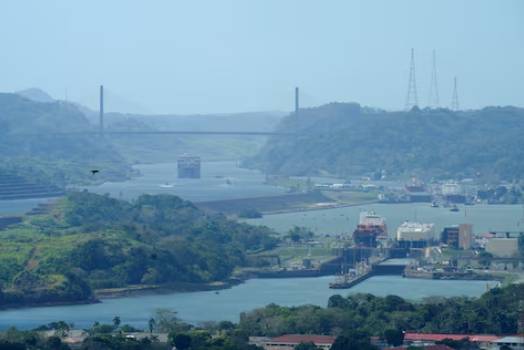
A ship sails through the Panama Canal in Panama City, Panama, March 4, 2025.
Despite lower transit fees, which this year are 15% less than 2024 levels, the canal has not reached its full daily transit allowance. The reduced fees aim to encourage usage following a severe drought from late 2023 to early 2024, which led to temporary passage limits, extended waiting times, and elevated costs for shippers. The canal authority has since worked to stabilize operations and improve efficiency for maritime traffic.
The Panama Canal’s role as the world’s second-busiest waterway draws ongoing attention, with transit fees under scrutiny. Earlier this year, U.S. President Donald Trump raised concerns about the canal’s fee structure, emphasizing the need for fair operations. The authority has maintained its focus on transparent management to ensure the waterway supports global trade effectively.
In a forward-looking move, the canal authority announced in late March a new initiative to promote sustainable shipping: “Starting in October, we will offer a net-zero weekly passage slot for dual-fuel vessels operating at low carbon intensity.” This program seeks to incentivize energy-efficient technologies and low-carbon fuels, aligning with broader efforts to enhance environmental responsibility in maritime transport.
The canal continues to balance operational demands with environmental and economic priorities. By maintaining steady transit numbers and introducing sustainability measures, the authority aims to support the global supply chain while addressing challenges like drought and capacity constraints. These efforts ensure the waterway remains a reliable route for international commerce, facilitating the movement of goods between key markets.











 京公网安备 11010802046720号