

Wedoany.com Report-May 23, The U.S. Senate voted on May 22, 2025, to repeal a waiver granted by the U.S. Environmental Protection Agency in December under the previous administration, which allowed California to mandate that at least 80% of new vehicles sold by 2035 be electric, with up to 20% as plug-in hybrids. This waiver, adopted by 11 other states representing a third of the U.S. auto market, aimed to promote cleaner vehicles and reduce emissions.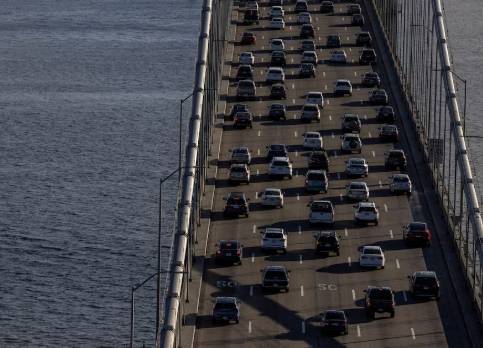
A view of cars on the road during rush hour traffic jam, while California's government authorities are expected to put into effect a plan to prohibit the sale of new gasoline-powered cars by 2035, according to local media, in San Francisco, California, U.S. August 24, 2022.
The decision, now sent to President Donald Trump, supports automakers like General Motors (GM) and Toyota, who opposed the mandate due to its stringent requirements. California’s plan, first outlined in 2020, sought to transition the majority of new car sales to electric vehicles (EVs) by 2035. California Governor Gavin Newsom stated: “This Senate vote is illegal. We’re going to fight this unconstitutional attack on California in court.” He estimated that overturning the mandate could result in $45 billion in additional healthcare costs for California taxpayers due to increased pollution.
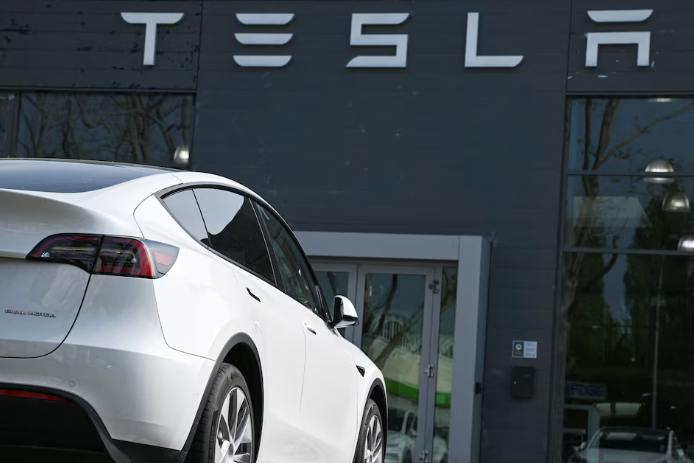
The Senate’s action follows a separate vote on the same day to rescind a 2023 EPA approval of California’s requirements for zero-emission heavy-duty trucks and low-nitrogen oxide regulations for heavy-duty vehicles and engines. The Alliance for Automotive Innovation, representing GM, Toyota, Volkswagen, Hyundai, and Stellantis, welcomed the decision. The group’s CEO, John Bozzella, noted: “The fact is these EV sales mandates were never achievable. In reality, meeting the mandates would require diverting finite capital from the EV transition to purchase compliance credits from Tesla.” GM supported the vote, stating it would “align emissions standards with today’s market realities.”
Environmental groups, including Earthjustice, expressed concern. President Abigail Dillen remarked: “While our Republican leaders may try to put the horse back in the barn when it comes to electric vehicles, the world has already shifted under their feet.” The Senate’s decision disregarded advice from the parliamentary authority, and the Government Accountability Office noted in March 2025 that such waivers cannot be repealed under the Congressional Review Act.
Additionally, the U.S. House of Representatives passed a bill on May 22, 2025, to eliminate a $7,500 tax credit for new EVs, introduce a $250 annual EV fee for road maintenance, and phase out EV battery production tax credits by 2028. If upheld, these changes could allow automakers to adjust EV production plans, as California’s rules required 35% of 2026 model-year light-duty vehicles to be zero-emission, a target deemed challenging given current EV sales rates of 10% or lower in some adopting states.











 京公网安备 11010802046720号