

Wedoany.com Report-Aug. 28, Lithuania has finalized a significant energy storage procurement process, driven by strong interest from potential participants. Announced on August 25, 2025, by the Ministry of Energy, the initiative aims to deploy 1.7 gigawatts (GW) and 4 gigawatt-hours (GWh) of energy storage capacity to enhance the reliability and flexibility of the country’s electricity system.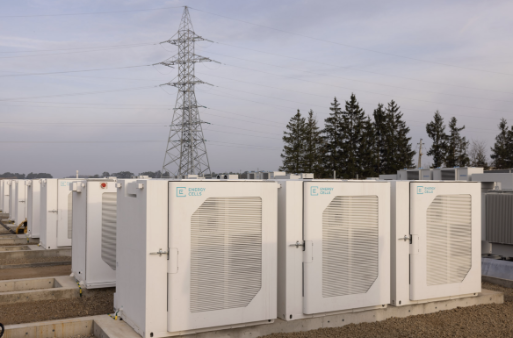
The deployment of these storage facilities is a key step toward strengthening Lithuania’s energy infrastructure. Acting Minister of Energy Žygimantas Vaičiūnas stated: “Lithuania plans to install more than 4,000 MWh of electricity storage facilities – this is a significant step in strengthening the country’s energy system and ensuring the development of renewable energy. Such capacities will ensure greater resilience, flexibility and security of the electricity system, which will also contribute to the stability of electricity prices.”
The energy storage systems will support the integration of renewable energy sources, improving grid stability and enabling better management of electricity supply and demand. By increasing storage capacity, Lithuania aims to enhance its energy security and maintain stable electricity prices, benefiting both consumers and the broader economy.
This procurement aligns with Lithuania’s commitment to advancing renewable energy and modernizing its energy infrastructure. The 1.7 GW/4 GWh capacity will provide critical support for balancing the grid, particularly as the country expands its use of wind and solar power. The initiative is expected to foster innovation in energy storage technologies and contribute to sustainable energy development.
The strong response from potential beneficiaries highlights the market’s confidence in Lithuania’s energy strategy. The new storage facilities will play a vital role in ensuring a resilient and adaptable electricity system, capable of meeting growing energy demands while reducing reliance on fossil fuels. This development positions Lithuania as a leader in regional energy innovation.
By prioritizing energy storage, Lithuania is taking proactive steps to create a more sustainable and reliable energy future. The project supports the country’s long-term goals of integrating renewable energy, reducing carbon emissions, and fostering economic stability through a robust and flexible electricity grid.








 京公网安备 11010802046720号